
??
Self-Tapping Self-Drilling Screws Manufacturer
Self-tapping self-drilling screws for sheet metal, light steel structures and OEM assemblies that need faster installation.
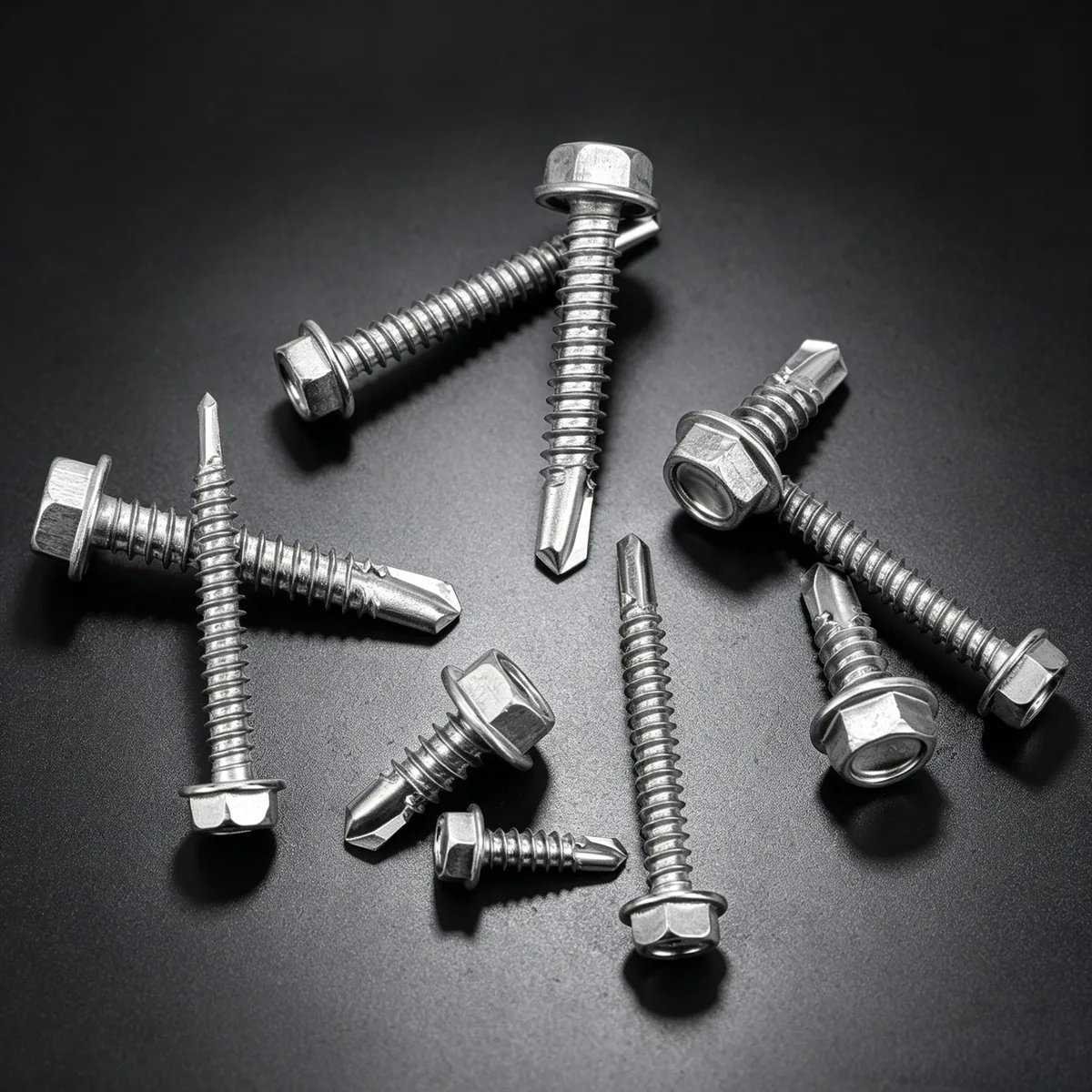
Drill, tap and fasten in one operation
Self-drilling self-tapping screws combine a drill point, thread-forming section and fastening body, reducing separate pre-drilling and tapping work in many metal sheet applications.
They are commonly selected for roofing panels, color steel sheets, solar brackets, light steel keel, HVAC frames, metal cabinets, outdoor frames and other thin metal assemblies. For custom projects, we confirm the base material, sheet thickness and installation tool before choosing drill point, thread, head and coating.
Fewer installation steps
One screw can form the hole, create thread engagement and clamp the assembly when matched correctly.
Correct drill point matters
The drill tip must match sheet thickness and material hardness, or the screw may burn, slip or fail to bite.
Head style by assembly
Hex washer, countersunk, pan, round, Torx and socket styles can be reviewed by application.
Coating by environment
Zinc, black zinc, plain stainless, gold plated and other finishes can be selected for corrosion and appearance needs.
Self-drilling and self-tapping screw options buyers compare before RFQ
These product references cover drilling screws for metal sheets and self-tapping screws for thread-forming applications. Exact size, grade, coating and packaging can be confirmed by drawing or sample.
Hex Head Drilling Tapping Screws
Standard hex washer head drilling screws for metal sheet, brackets and construction panels.
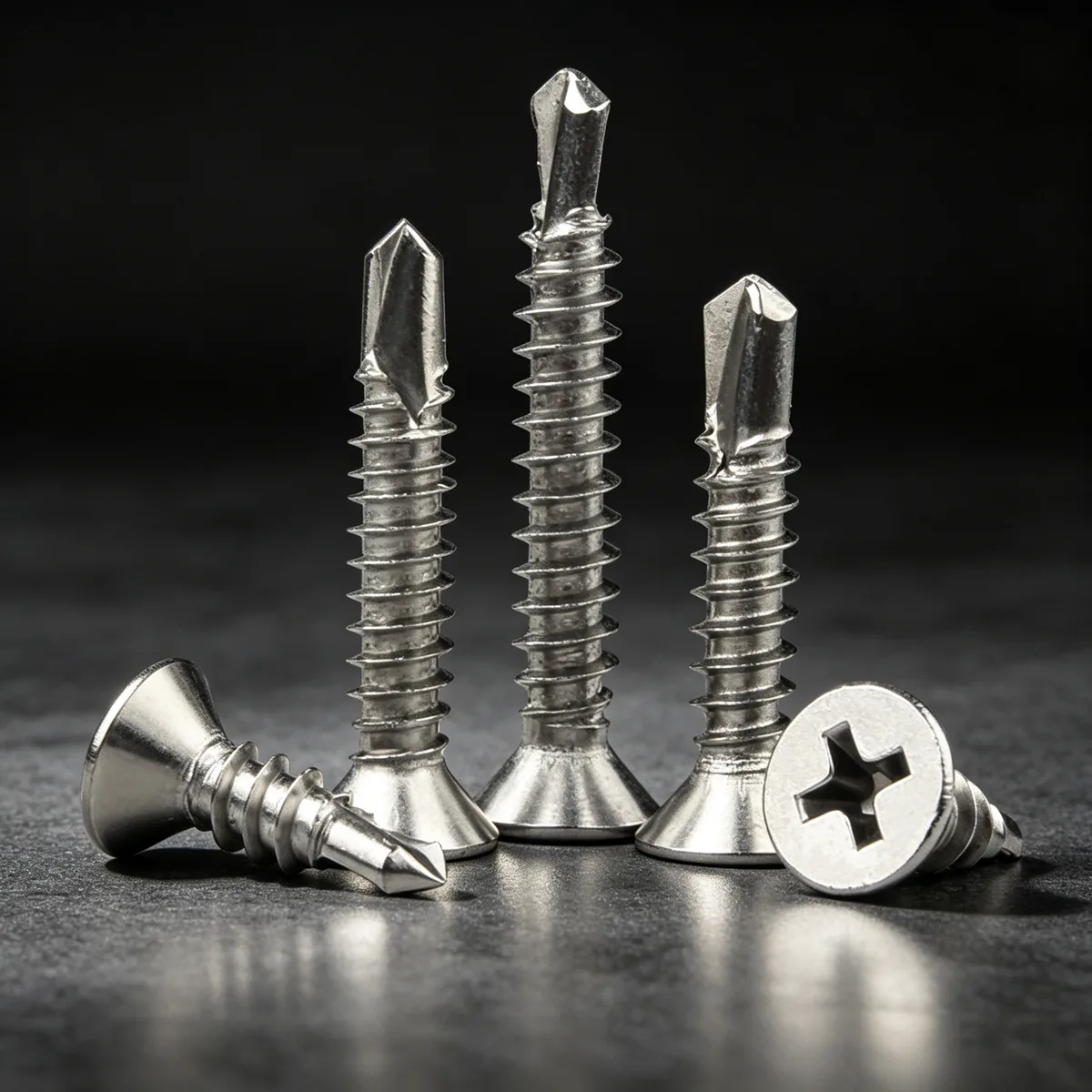
Phillips Countersunk Self-Drilling Screws
Flat head self-drilling screws for flush installation into sheet metal and metal plates.
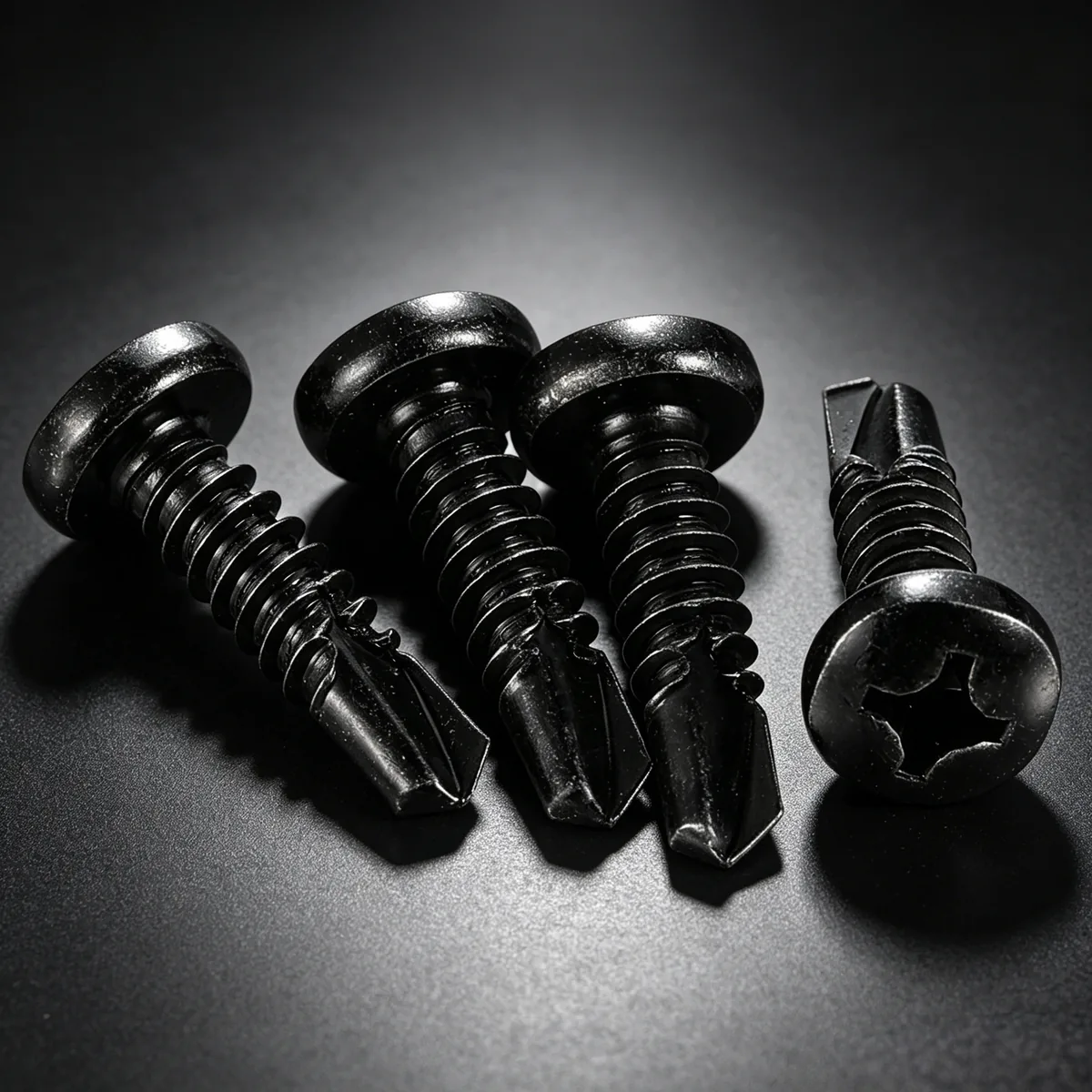
Black Cross Recessed Self-Drilling Screws
Round and pan head self-drilling screws in black or black-zinc finish for metal assembly.
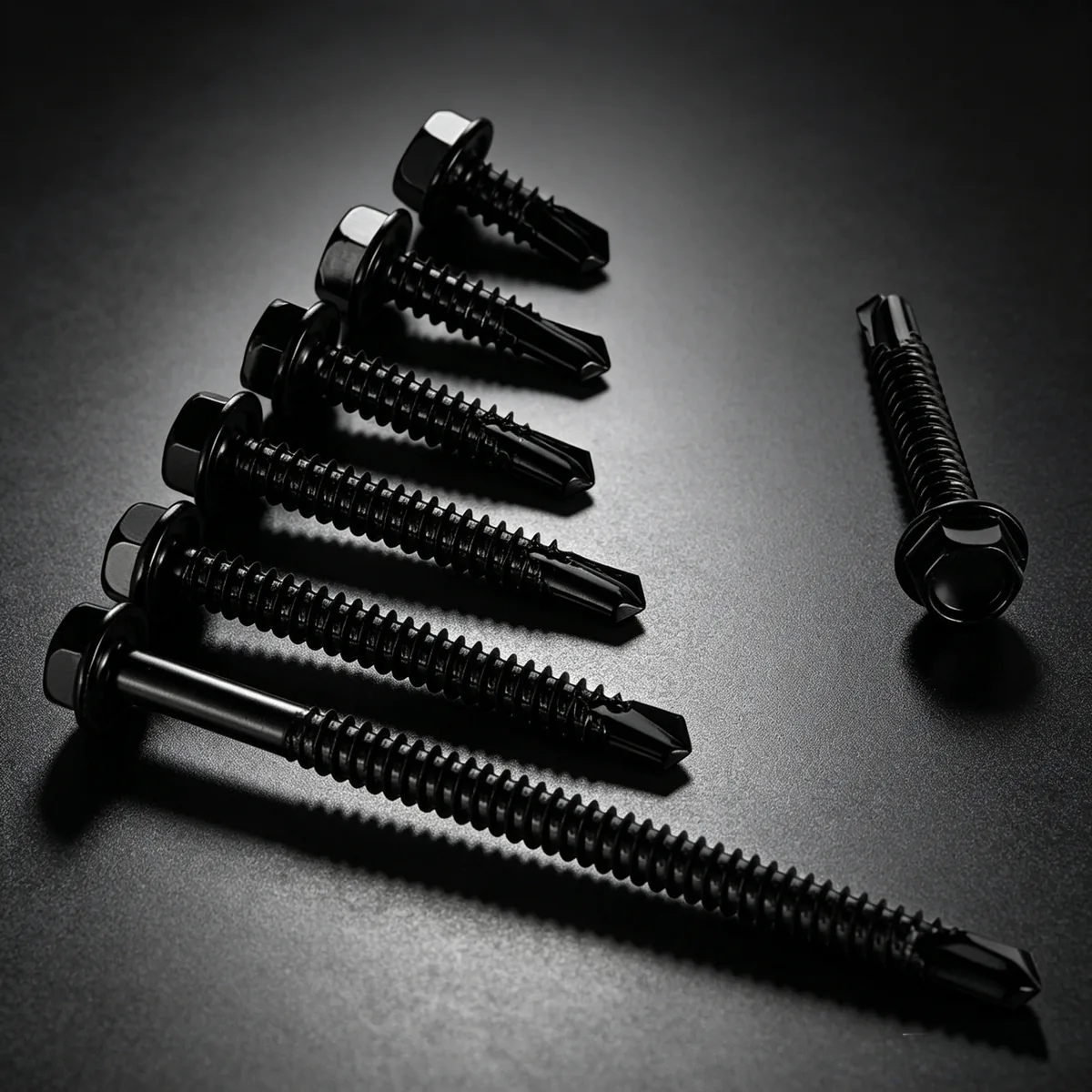
Black Zinc Hex Head Self-Drilling Screws
Longer hex head drilling screws for outdoor frames, metal roofing and bracket assemblies.
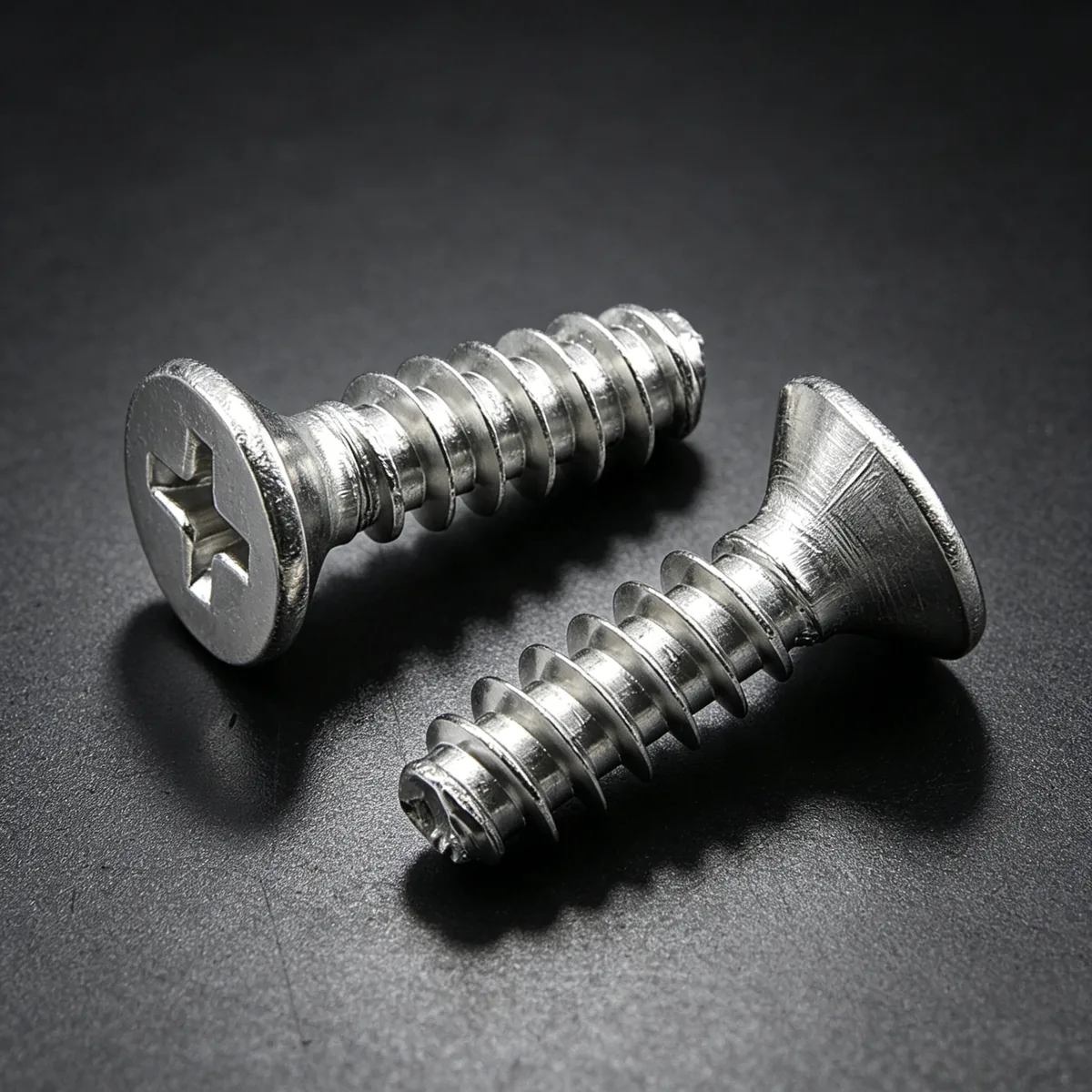
304 Flat Head Self-Tapping Screws
Compact self-tapping screws for thread forming in thin metal, plastic or pre-formed pilot holes.
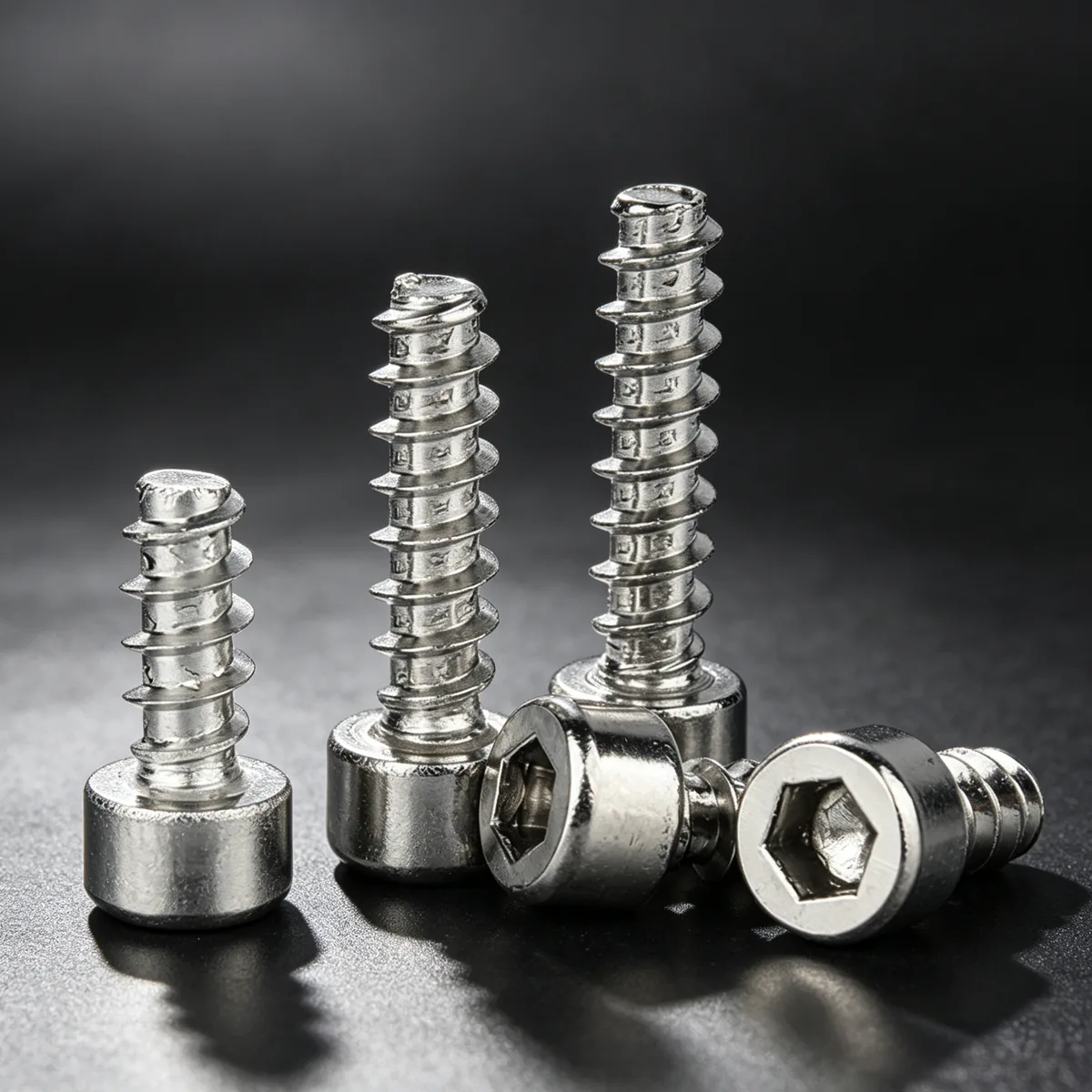
Nickel Plated Thread-Forming Screws
Self-tapping thread-forming screws for controlled pilot holes and repeatable fastening.
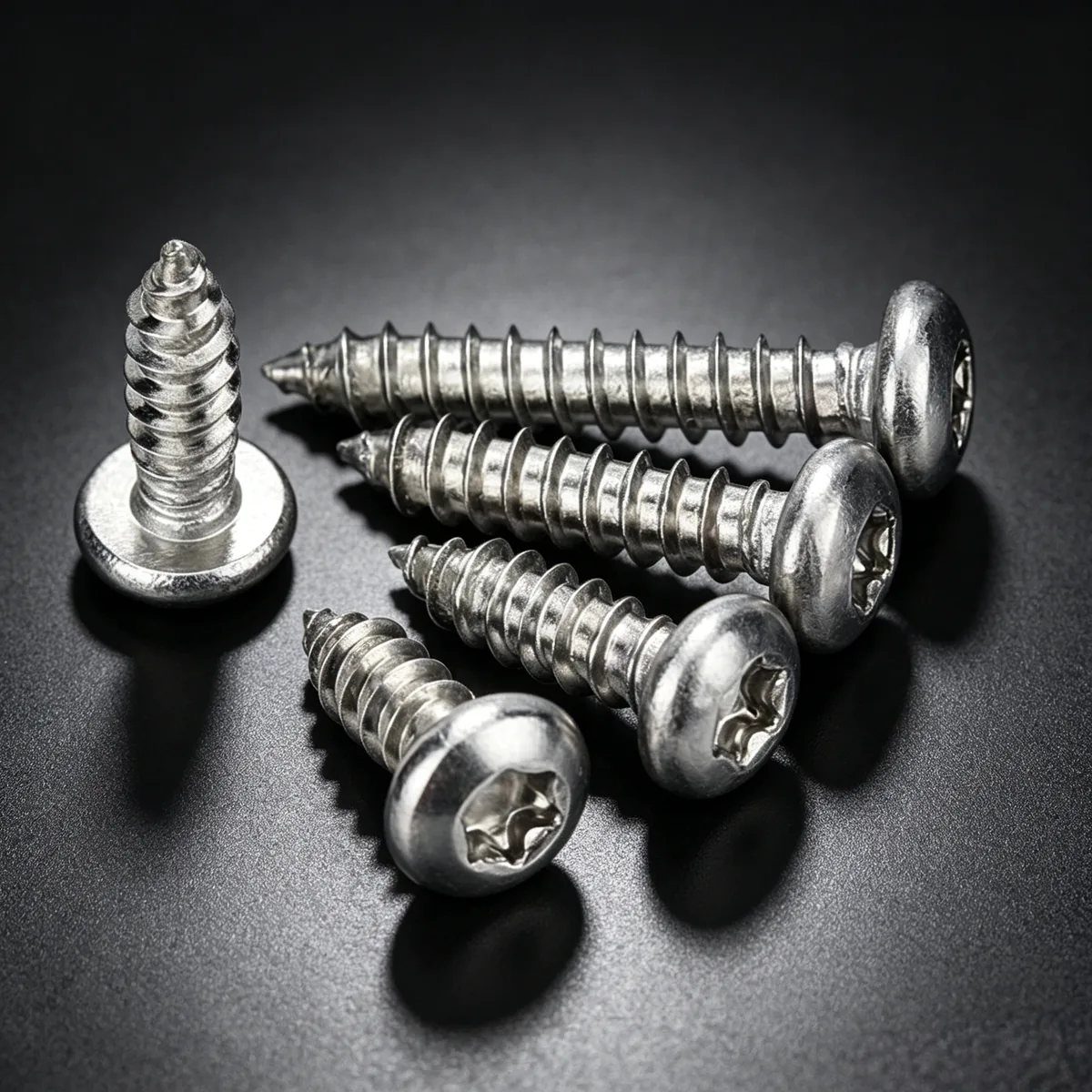
Torx Head Self-Tapping Screws
Pan head Torx self-tapping screws for better drive control and assembly repeatability.
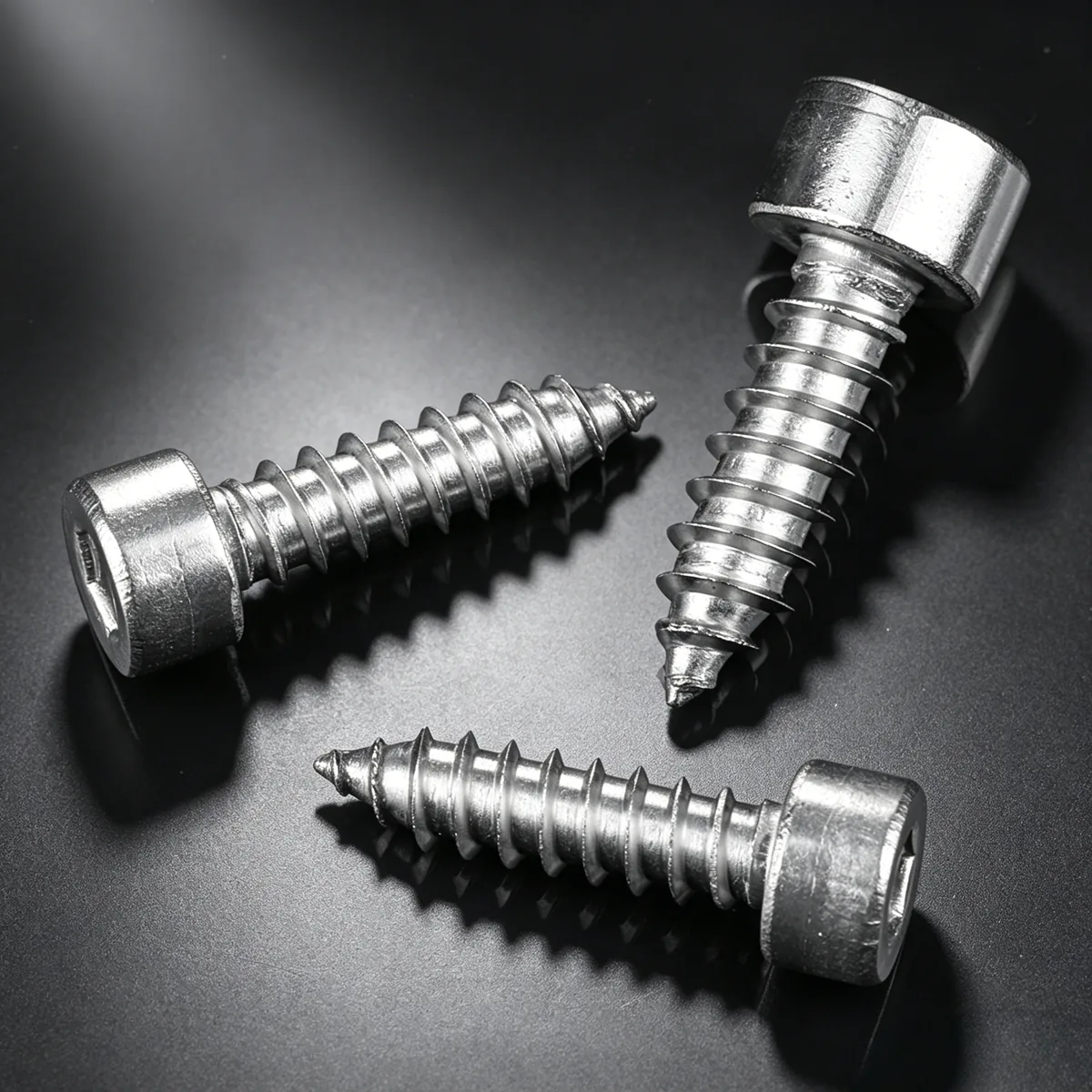
Socket Head Self-Tapping Screws
Hex socket cap head self-tapping screws for higher drive engagement and compact assemblies.
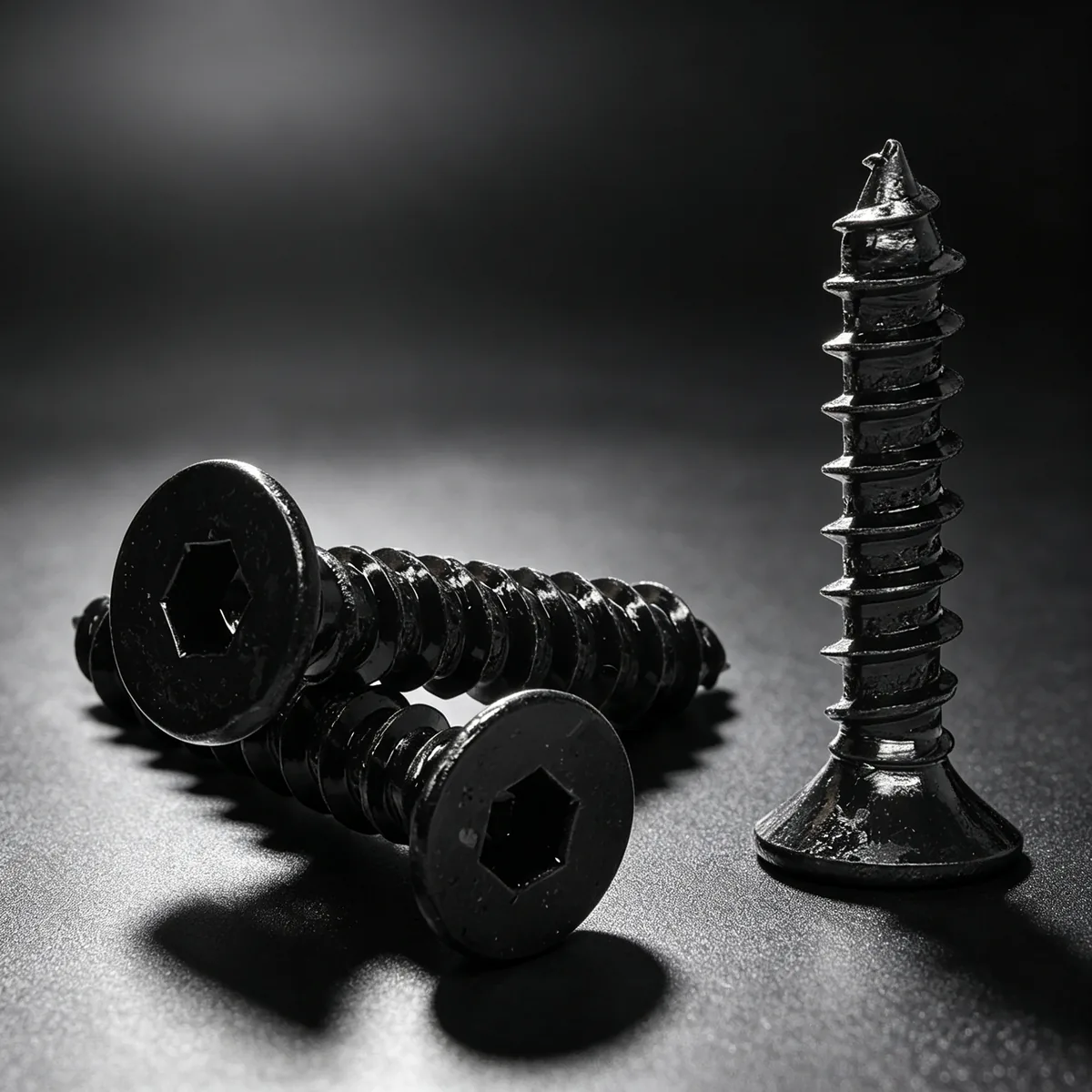
Black Zinc Socket Flat Head Self-Tapping Screws
Flat head socket self-tapping screws for darker finish and flush installation requirements.
Self-tapping vs self-drilling screws: what buyers need to know
This is the main question behind the keyword. The wrong choice can cause slow installation, stripped threads, poor bite, drill-tip failure or loose assemblies.
Self-tapping screws
They form or cut threads as they enter the material. Depending on material thickness and hardness, a pilot hole may still be required.
Self-drilling screws
They have a drill-bit point that can create the hole before the thread engages. They are usually chosen for sheet metal and steel framing.
Self-drilling self-tapping screws
They combine drilling and tapping action in one screw. The drill point, thread pitch, coating and material must match the base material.
Built for metal sheet fastening, roofing and bracket assemblies
These screws are usually selected when installers need faster work on thin steel, aluminum plate, color steel tile or light steel structures.
Common applications include color steel roofing, solar panel brackets, light steel keel, metal cabinet enclosures, HVAC frames, metal furniture, outdoor advertising frames, agricultural equipment sheet metal and general fabrication work.
Roofing and color steel tile
Hex washer head and coated drilling screws for outdoor sheet fastening.
Solar and support brackets
Drilling screws for metal supports, brackets and panel mounting frames.
Metal cabinets and enclosures
Self-tapping screws for thin sheet covers, frames and repeat assembly.
Light steel and fabrication
Standard ST sizes for light steel keel, frames and workshop fabrication.
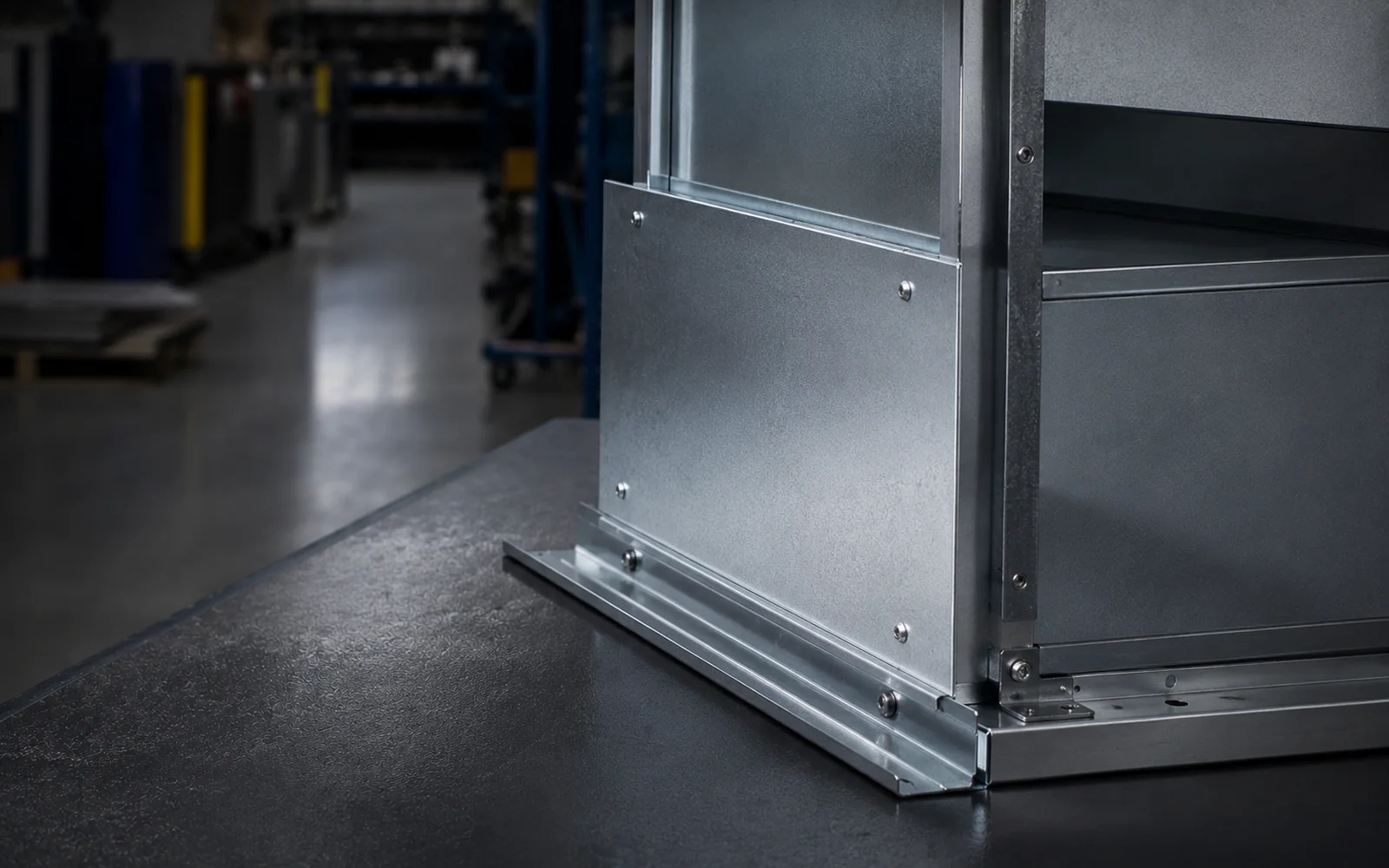
Why self-tapping or self-drilling screws fail during installation
Installation problems usually start when the drill point, thread form, material hardness, coating or fastening method does not match the workpiece and site conditions.
Wrong pilot hole
Self-tapping screws may need a pilot hole in hard or thick materials. Too small strips threads; too large reduces holding strength.
Wrong drill point
A self-drilling screw needs the correct drill point length and hardness for the sheet thickness.
Wrong speed or pressure
Overheating, slipping or broken points can happen when torque, speed or installation angle is wrong.
Wrong coating or material
Outdoor, roofing or corrosive environments need suitable steel grade and plating selection.
Details to confirm before we quote self tapping self drilling screws
A clear RFQ should include the material being fastened, metal thickness, head style, thread size, length, coating, expected quantity and installation environment.
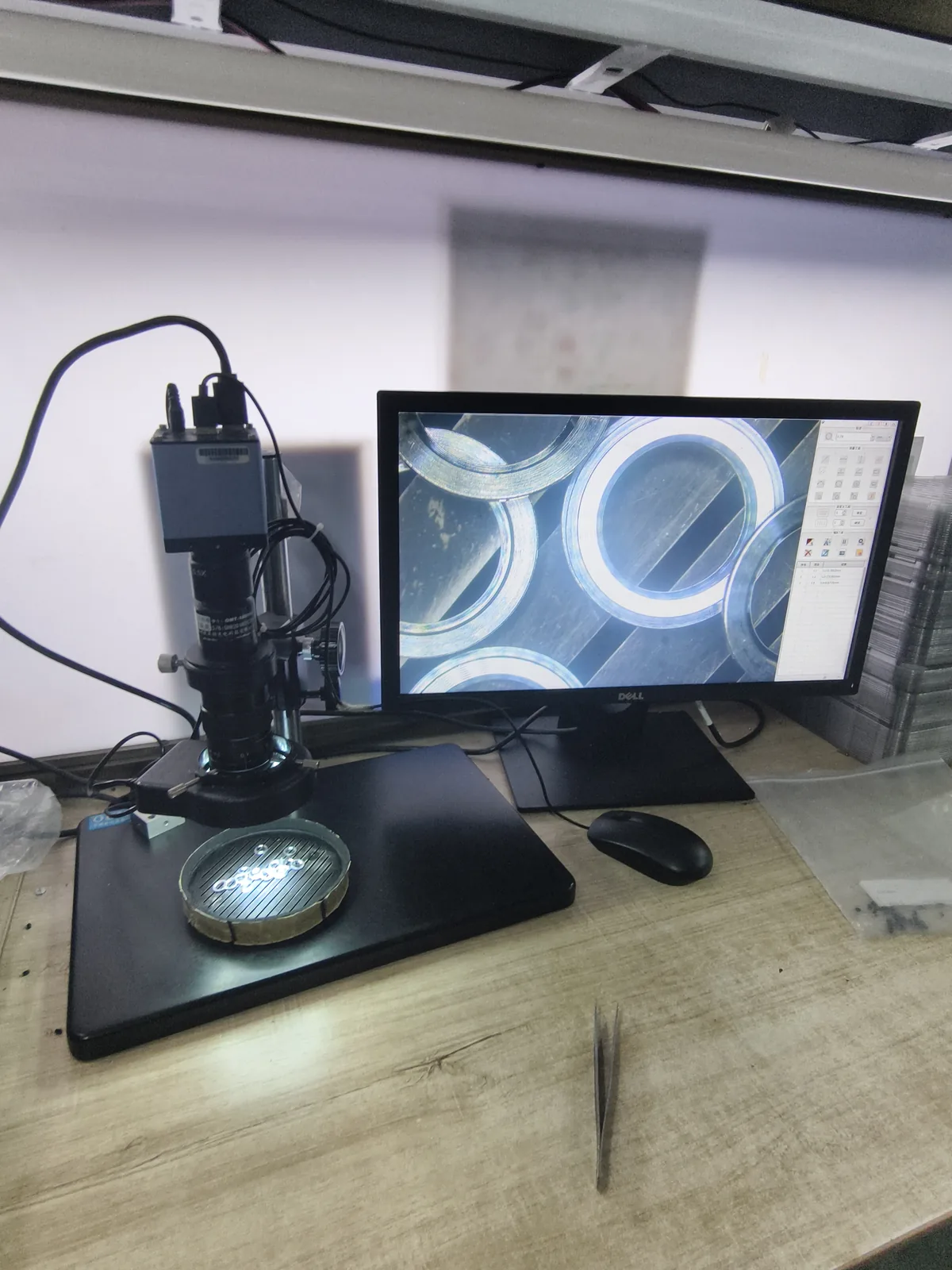
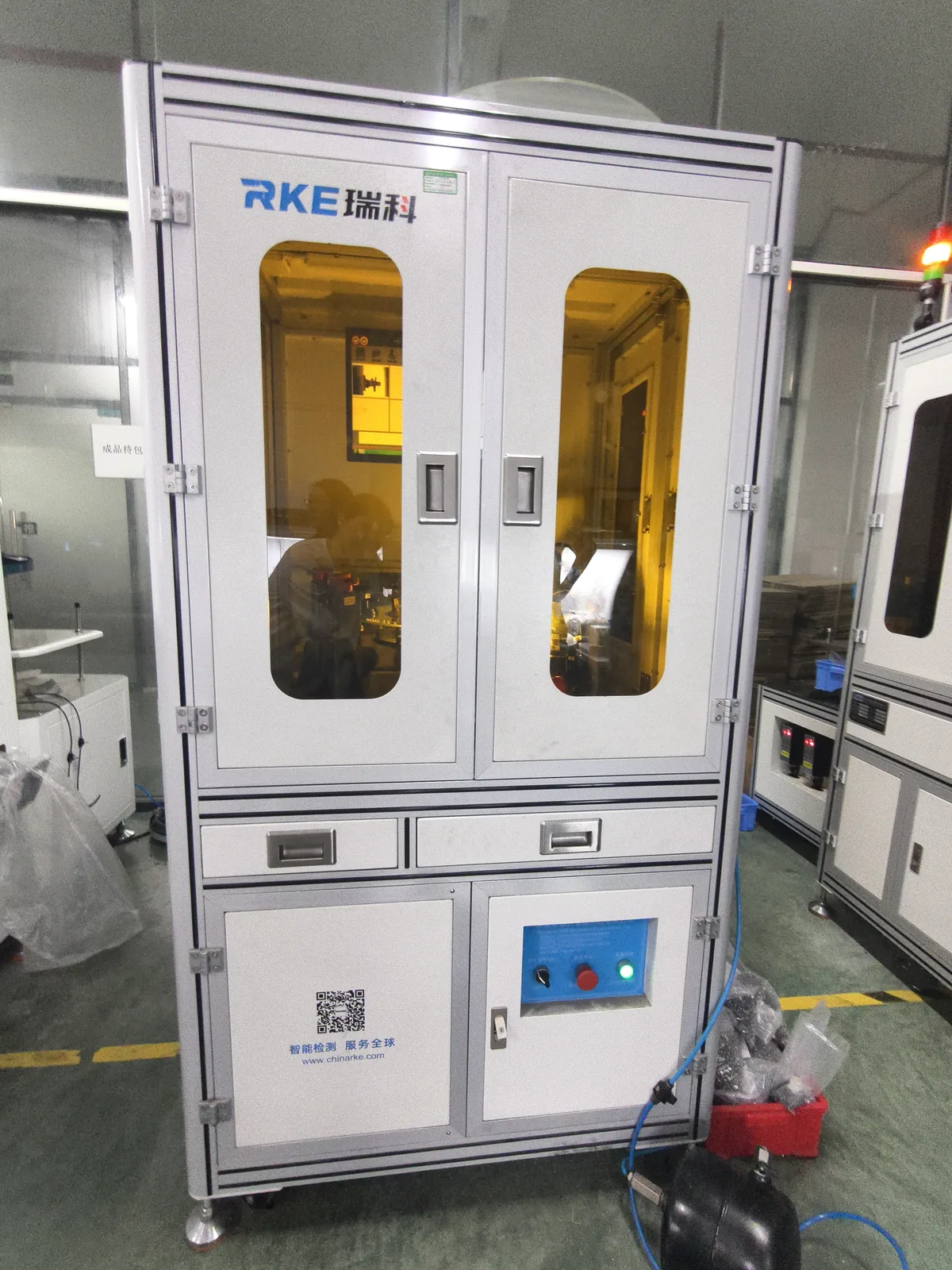
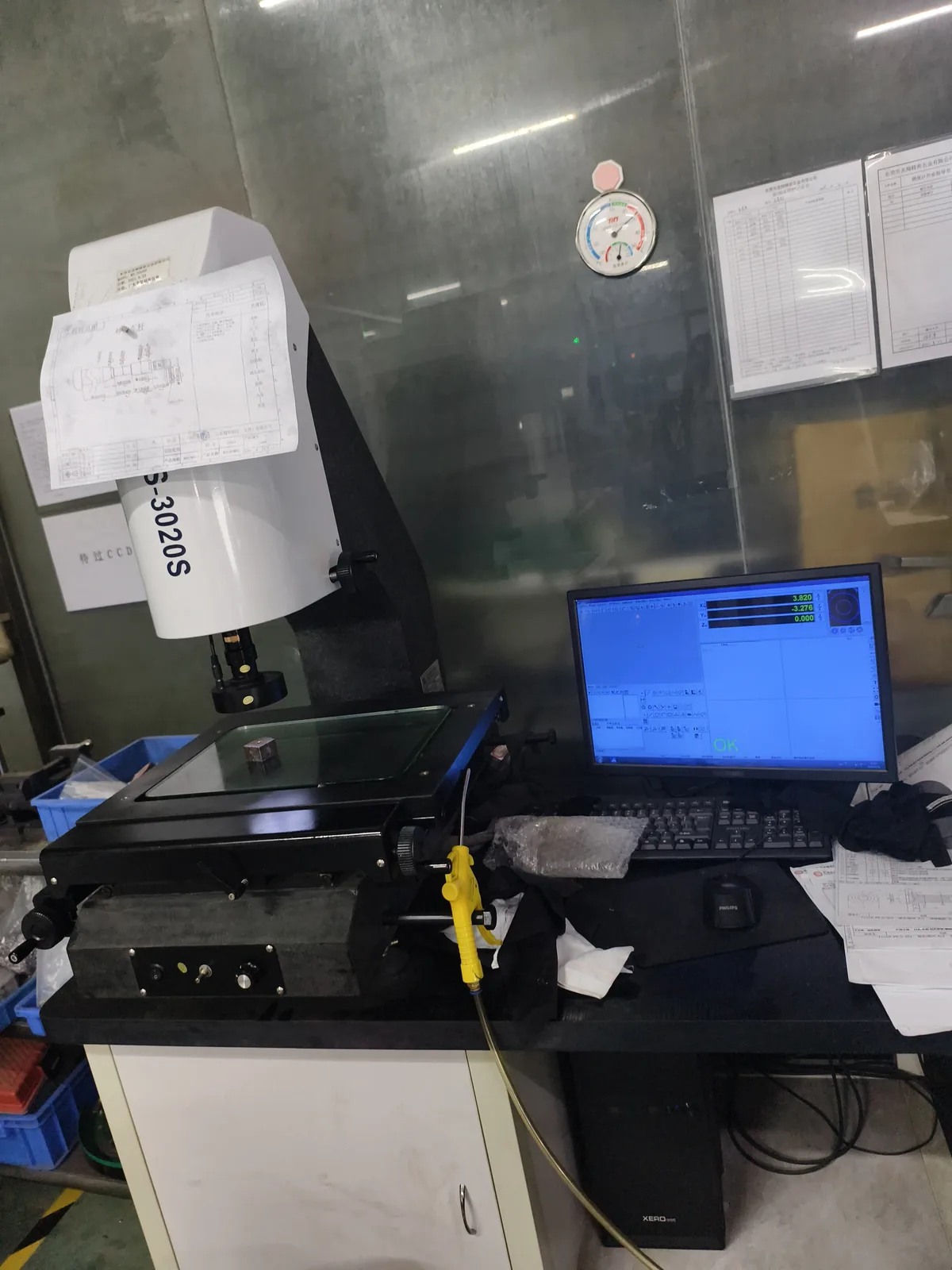
QC for drill point, thread and drive fit
We check material, hardness, drill point geometry, thread fit, drive recess, coating and packaging so the screw cuts cleanly and holds consistently.
Material check
Confirm grade, hardness and corrosion requirement before production.
Drill point review
Check drill point length, sharpness and cutting geometry by application.
Thread control
Review thread profile, pitch, forming quality and holding consistency.
Coating inspection
Check zinc, black zinc, nickel or plain finish for coverage and defects.
Final packing
Protect drill points, heads and finished surfaces for overseas delivery.
Send us your self-drilling or self-tapping screw requirement
Please include material thickness, screw size, head style, finish, installation environment and target quantity if available.
Part information
Thread size, length, head type, drive type, drill point or tapping style.
Application material
Steel sheet, aluminum plate, plastic, light steel keel, roofing panel or bracket.
Finish and environment
Indoor, outdoor, roofing, corrosion exposure, color or plating requirement.
Commercial information
Sample needs, target quantity, packaging request and delivery schedule.
Self-Drilling Screws RFQ
Use this form to send project details. We will review the information and reply by email.
Self-tapping and self-drilling screw questions
What is the difference between self-tapping and self-drilling screws?
Self-tapping screws form or cut threads as they enter the material. Self-drilling screws also have a drill-bit point that can create the hole before the thread engages.
Do self-tapping screws need a pilot hole?
Sometimes. In hard, thick or brittle materials, a pilot hole can prevent splitting, stripping or poor thread engagement. The pilot size depends on material and screw design.
Can I use self-drilling screws instead of self-tapping screws?
Only when the drill point is suitable for the base material and thickness. A self-drilling screw is not automatically better if the drill tip, thread or head style does not match the application.
Why will a self-tapping screw not work?
Common causes include wrong pilot hole, wrong screw hardness, too much speed, poor installation angle, weak drive fit, material thickness mismatch or an unsuitable thread profile.
Do you hammer self-tapping screws?
No. They should be driven with the correct tool and torque. Hammering can damage the thread, head, coating and mating material.
What are the disadvantages of self-tapping screws?
They can strip threads, loosen after repeated removal, damage brittle material or fail in thick metal if the screw type and pilot hole are not selected correctly.
Need a self tapping self drilling screws manufacturer?
Send drawings, samples, material, finish, expected quantity and application details for RFQ review.