Using Aluminum Bolts Without Creating Corrosion or Clamp-Load Surprises
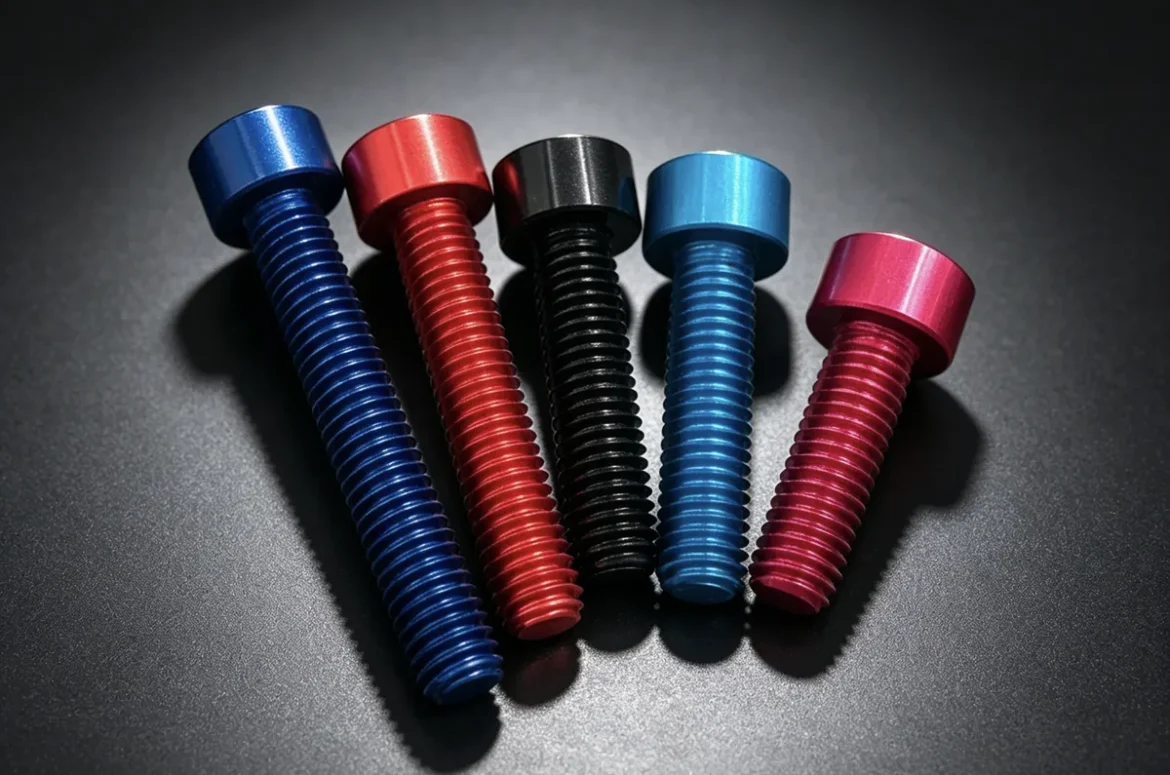
Review clamp-load margin, galvanic exposure, finish, and interface details before specifying aluminum bolts for OEM assemblies.

Review clamp-load margin, galvanic exposure, finish, and interface details before specifying aluminum bolts for OEM assemblies.
Treat collated screws as a fastening-system decision by checking strip compatibility, substrate, point style, and feed reliability before RFQ release.
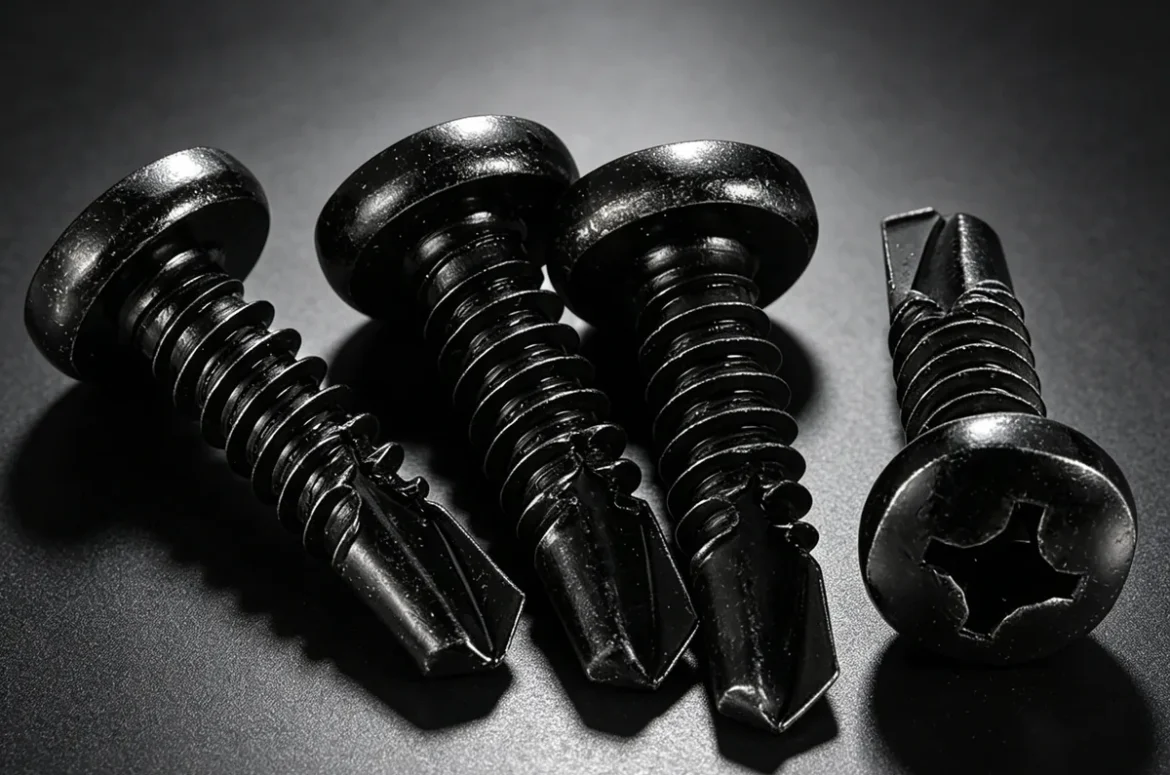
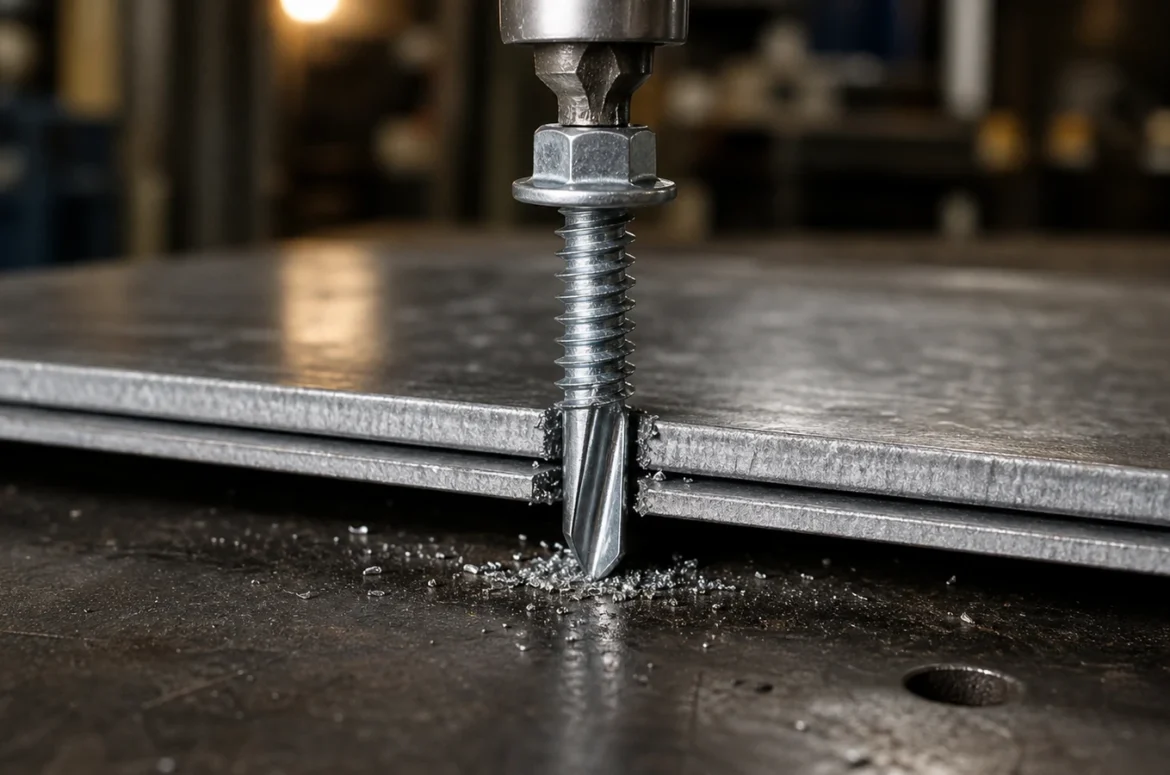
Choose TEK screws for metal by checking point designation, steel thickness, head style, coating, and real trial criteria before RFQ release.
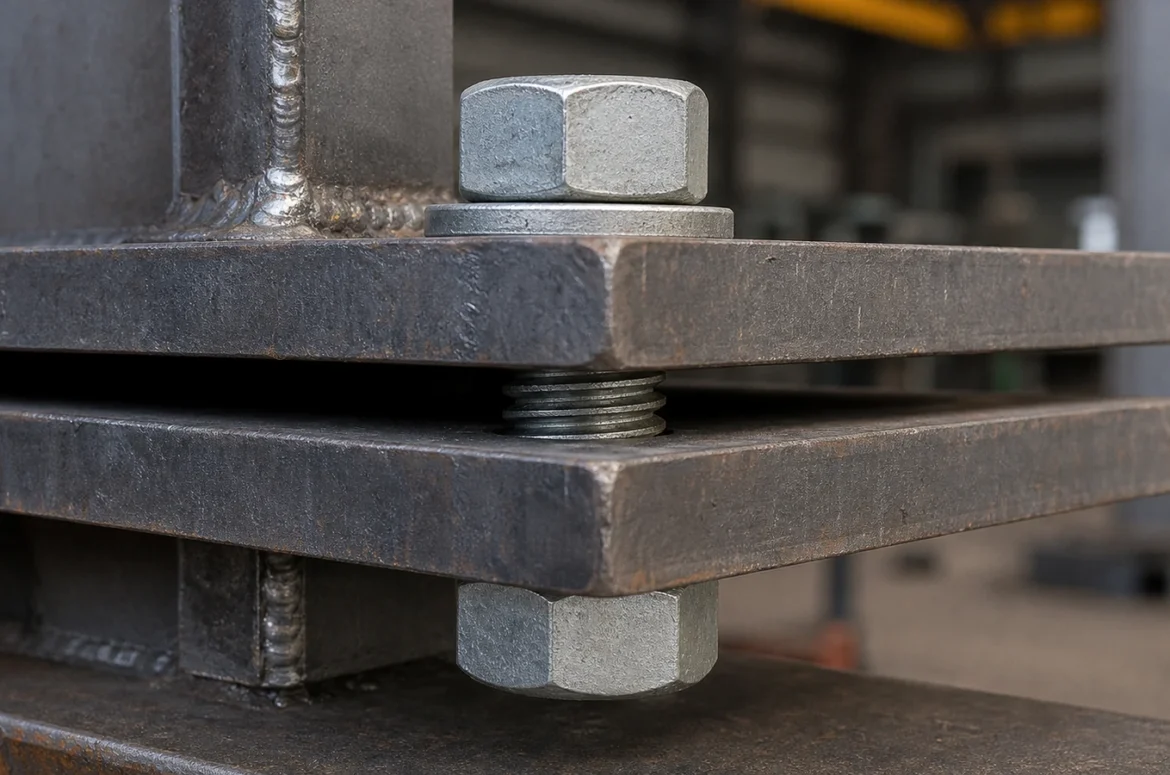
Review structural bolts as a joint system by checking specification family, matched hardware, finish, and installation method.
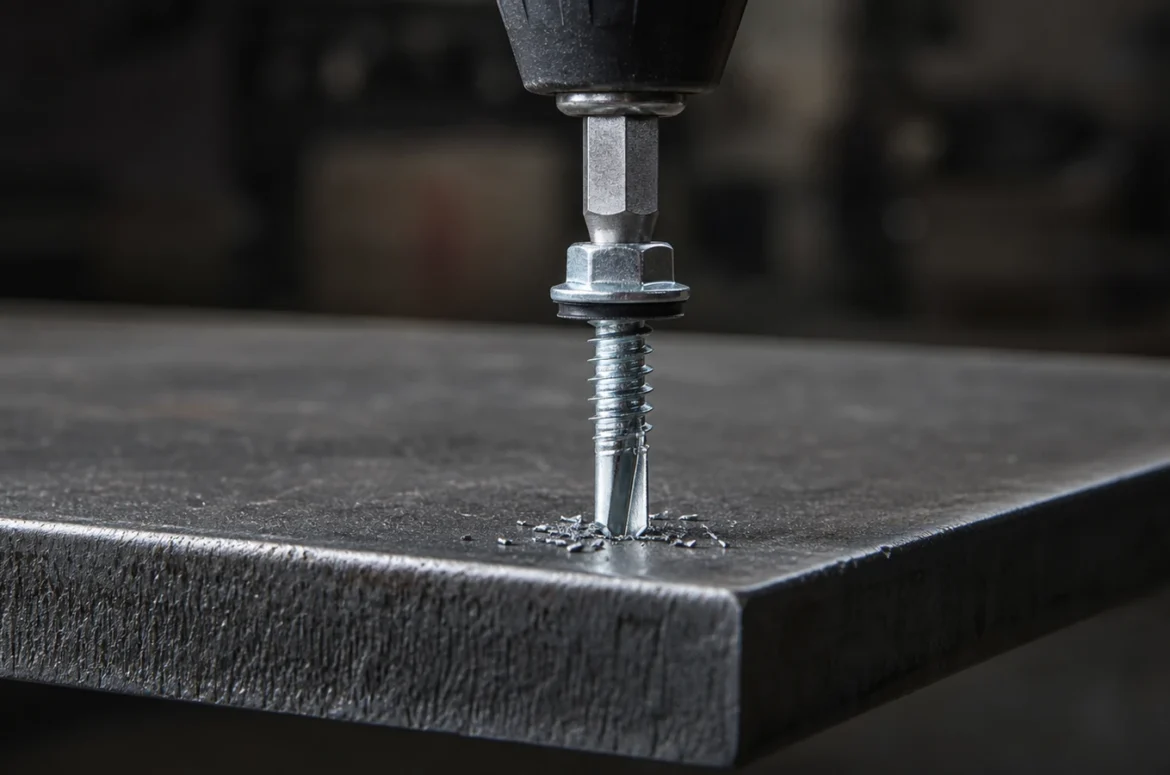
Choose self-drilling screws for thick steel by checking point capacity, head style, coating, installation stability, and RFQ test conditions.
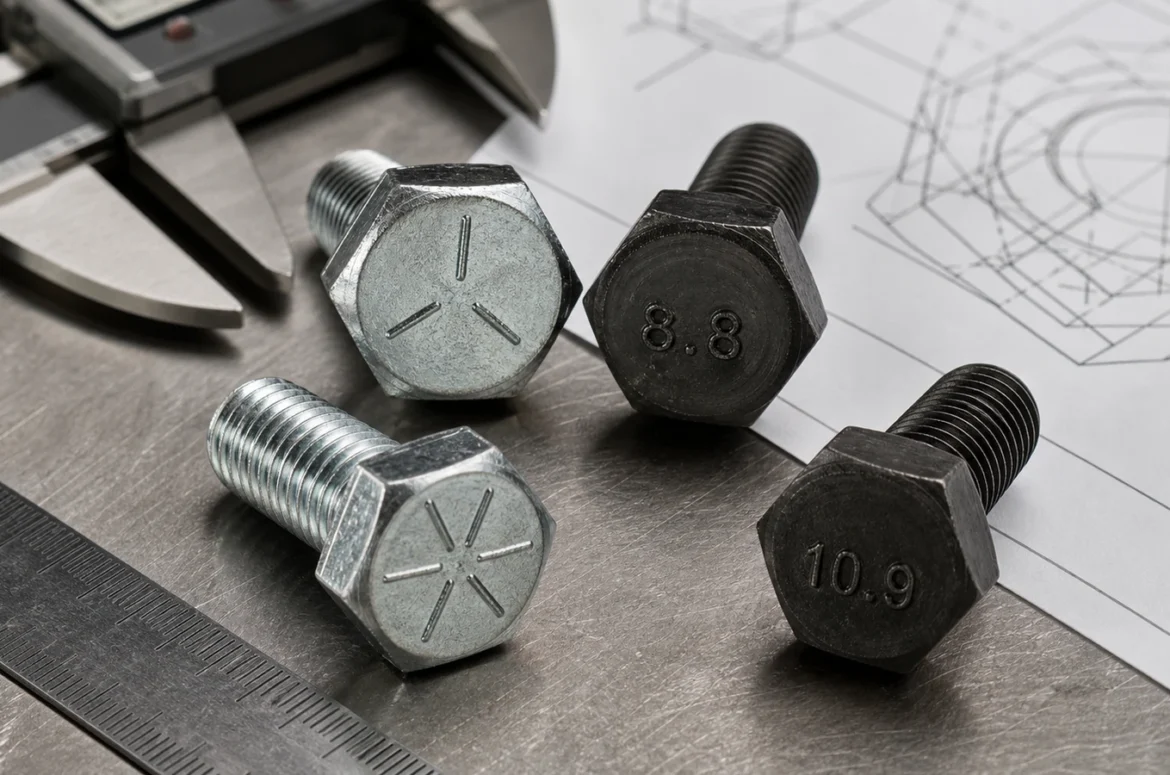
Read a bolt grade chart correctly by separating SAE, ASTM, and ISO systems and checking size, finish, and joint-specific torque assumptions.
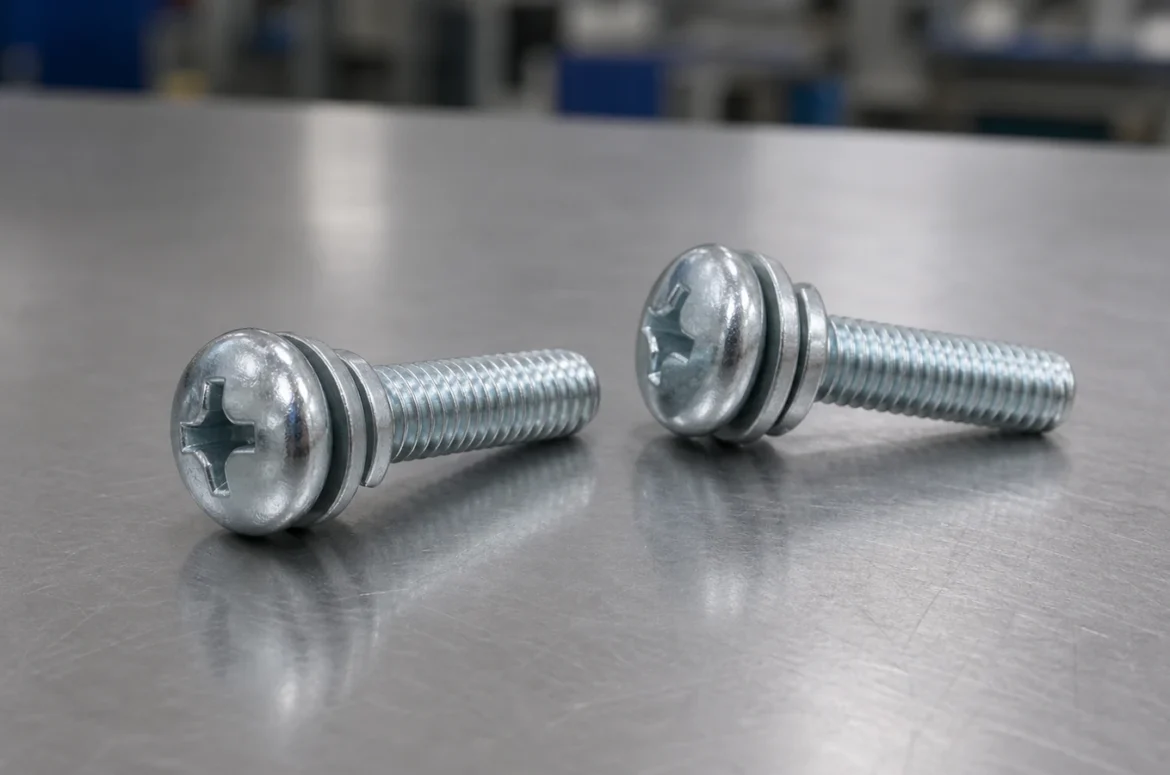
Learn what SEMS screws are, how captive washer stacks are made, where they help assembly, and what to include in a drawing-based RFQ.
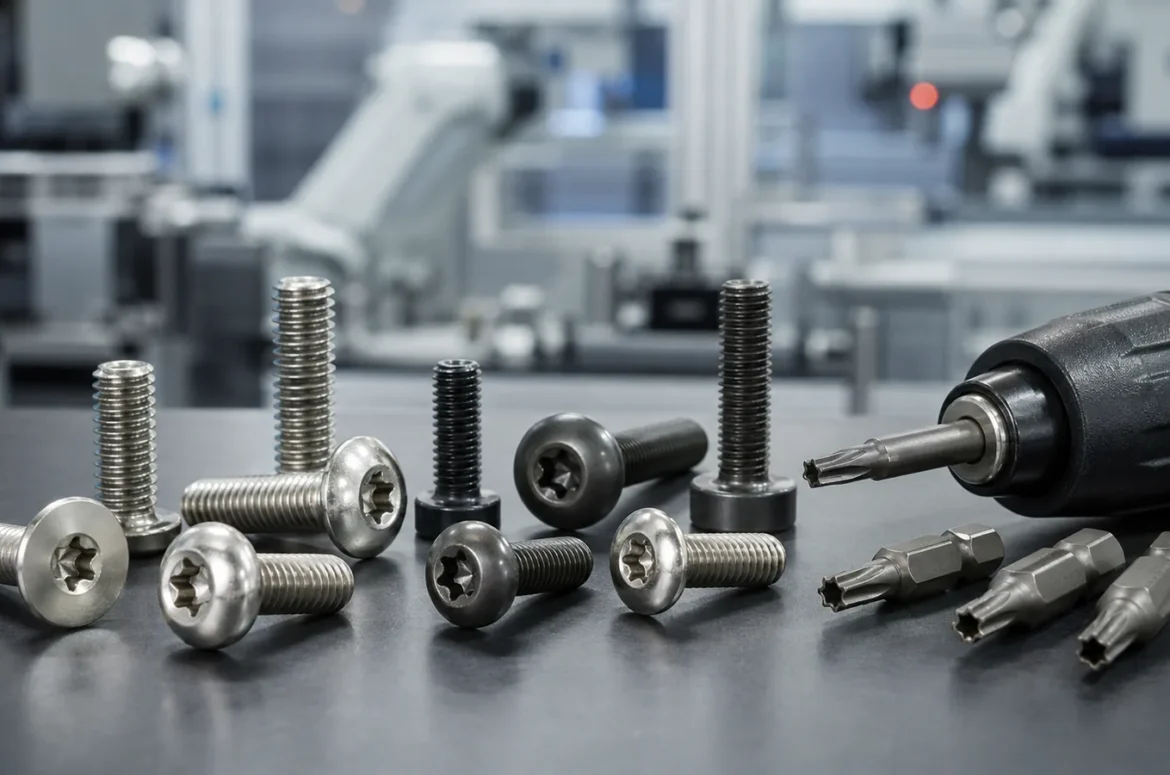
Specify Torx and hexalobular screws correctly by reviewing drive standards, recess quality, tooling, head geometry, torque control, and inspection.