
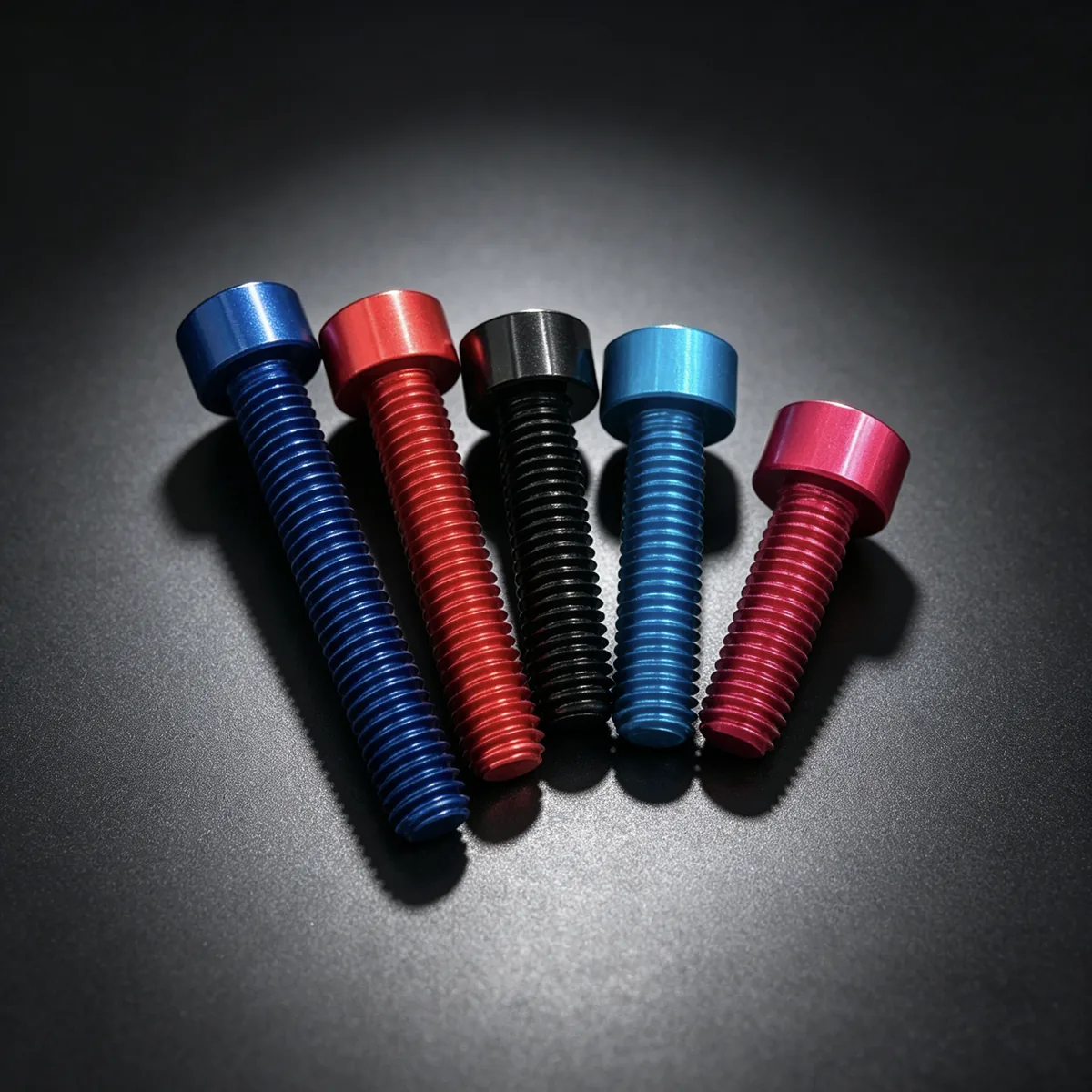
An aluminum bolt is rarely a pure cost decision. It is usually a tradeoff between weight, corrosion behavior, electrical compatibility, clamp-load margin, and the cosmetic or assembly limits of the product around it. When buyers skip that tradeoff and focus only on the word aluminum, the fastener request tends to fail later in sampling, torque setup, or field exposure.
This guide explains where aluminum bolts make sense, where they create avoidable risk, and which engineering checks belong in the RFQ before a lightweight fastener becomes a production problem.
Start with the real reason the assembly wants aluminum bolts
Before selecting an aluminum bolt, buyers usually need to resolve three practical questions: whether its strength suits the joint, how it behaves against the mating materials, and whether the drawing leaves enough margin for the service environment. The material choice should be screened before it is locked into the drawing, not after a part number has been released.
Aluminum bolts make the most sense when mass reduction, nonmagnetic behavior, or visible-finish coordination matters more than very high preload. They can work in lightweight enclosures, specialty equipment, trim hardware, electronics structures, and assemblies where service loads are moderate and corrosion strategy is controlled. They are a weak default when the joint depends on high clamp load, repeated heavy tightening, or aggressive structural duty.
Clamp-load margin is the first technical checkpoint
An aluminum bolt has less strength margin than a comparable carbon-steel or stainless fastener in many real assemblies. That does not automatically make it wrong. It means the joint has to be reviewed around the lower margin. Tooling, driver fit, thread engagement, and seating-face support all matter more because there is less room for installation abuse or hidden overload.
If the assembly needs high preload to stop slip, compress a gasket hard, or resist repeated vibration under heavy service, another material may be more appropriate. Aluminum bolts perform better when the design allows moderate clamp force and when the joint has been engineered to keep bearing pressure and thread distortion under control.
- Confirm how much preload the joint actually needs instead of copying a torque value from a harder fastener family.
- Check thread engagement in the mating part before treating the aluminum bolt as a drop-in substitute.
- Review the seating face and washer support if the clamped material is soft or cosmetic.
- Assume installation method matters more when the fastener yields earlier under driver error.
Galvanic corrosion is usually the deciding factor
Dissimilar-metal contact needs deliberate review. The NASA corrosion guide and NASA’s published galvanic-corrosion work show why contact between unlike metals becomes a serious problem when moisture closes the electrical path. The practical question is not only whether an aluminum bolt is available, but whether it can be paired safely with the rest of the assembly.
The answer changes with environment. A dry indoor housing is not the same as a humid outdoor enclosure, a washdown machine, or a salt-exposed mounting point. Material pair, coating system, drainage, isolation washers, and maintenance expectations all influence whether an aluminum bolt is a smart choice or a warranty risk.
The RFQ should separate material choice from finish choice
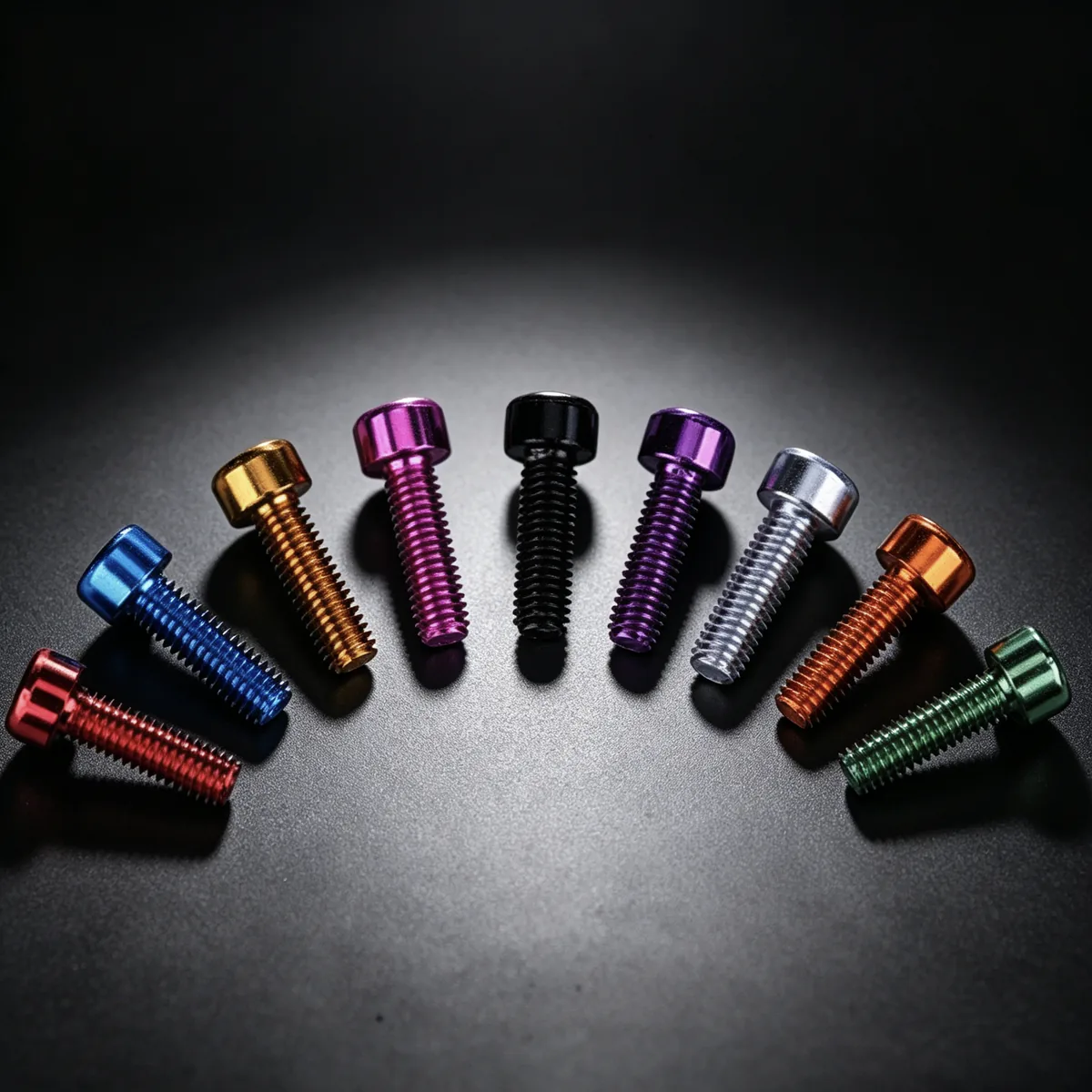
A frequent procurement mistake is writing aluminum bolts and assuming that already answers the finish question. It does not. Buyers still need to define whether natural finish, anodizing, coating, color consistency, or electrical contact behavior matters. The same base alloy can be acceptable in one environment and unacceptable in another if the finish strategy changes.
This is especially important when appearance is visible to the end user. A joint may need lightweight hardware and a controlled decorative finish at the same time. That calls for explicit notes on color tolerance, scratch sensitivity, masking zones, and any mating surfaces that must not be insulated.
What to confirm before releasing an aluminum-bolt drawing
The practical goal is to make the supplier review the real service condition, not only the alloy label. If that context is absent, the quotation may still look fast and complete while the critical corrosion and clamp-load questions remain unresolved.
- State the joint function and whether the bolt is carrying structural load, panel retention, trim load, or light fastening only.
- Document the service environment, especially humidity, washdown, salt exposure, and electrical contact conditions.
- Call out the exact alloy or approved alloy family when performance depends on it.
- Specify finish, cosmetic expectations, and any isolation hardware or coatings required at the interface.
- Provide mating-material details, target installation method, and any clamp-load or thread-engagement limits already defined by engineering.
For XiYu review, the most relevant support pages are the factory capabilities page, the custom screw catalog, and the RFQ contact page. If the current design is still comparing aluminum against stainless or another dissimilar material, attach the real exposure condition and mating-material stack in the first RFQ package.
Frequently asked questions
Are aluminum bolts a real engineering option?
Yes, when the joint does not require very high preload and when corrosion control is reviewed properly. They are most useful where weight, finish, or nonferrous behavior matters more than maximum strength margin.
What is the biggest risk with aluminum bolts?
The biggest risk is usually not the catalog listing itself. It is pairing the fastener with the wrong mating metal or environment, then discovering galvanic attack or low clamp-load margin after release.
Can stainless and aluminum be used together?
Sometimes, but the environment and interface control decide whether the combination is safe. Moisture, salts, coatings, and isolation hardware all change the corrosion outcome.
Should the RFQ include finish details for aluminum bolts?
Yes. Material alone does not define appearance, electrical contact, or corrosion strategy. Finish and interface notes are often the difference between a workable sample and a field problem.
Use aluminum bolts when the joint has earned the tradeoff
Aluminum bolts can be the right answer, but only after the design proves that lower strength margin, corrosion pairing, finish behavior, and interface control are still acceptable. Once those conditions are written into the RFQ, the supplier can review a real engineering decision instead of guessing from a lightweight-material shortcut.