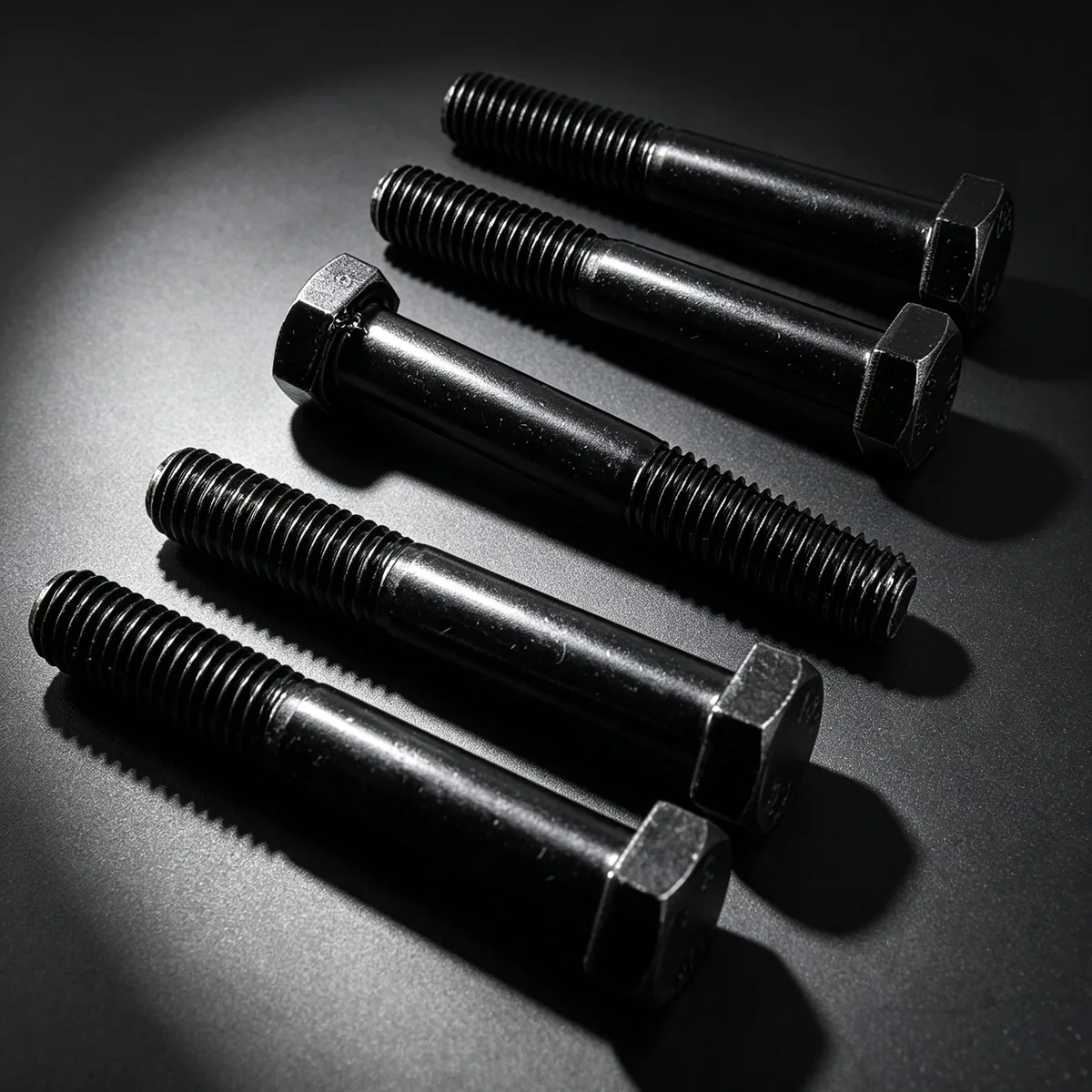
A buyer who writes hex head cap screw on a drawing often believes the instruction is precise. It usually is not. In practice, that phrase can trigger three different interpretations at once: a true hex cap screw callout, a generic hex bolt request, or a product-page shortcut copied from a distributor listing. The RFQ then reaches production review with head style, thread length, washer-face expectation, and governing standard still open.
This guide explains how to treat a hex head cap screw request as an RFQ-clarity problem and which callouts remove ambiguity before sourcing starts.
Why hex head cap screw and hex bolt get mixed together
The central question is simple but commercially important: what is the difference between a hex bolt and a hex cap screw? Buyers are usually not choosing by diameter alone. They need to resolve naming, standards, and the drawing callouts required before purchasing or manufacturing review.
For RFQ work, that means the phrase hex head cap screw is not enough on its own. A buyer still needs to define whether the part should be fully threaded or partially threaded, whether the under-head bearing face matters, what standard or company specification applies, and whether material, plating, and washer requirements have already been decided.
- Use the exact governing standard or internal specification instead of shorthand alone.
- State full-thread or partial-thread expectation rather than assuming a market default.
- Clarify whether the joint is defined around a bolt, a cap screw, or a custom externally hex-headed fastener.
- Record material, finish, and any required washer or bearing-face condition in the same callout package.
The first RFQ check is the joint function, not the catalog label
A hex head cap screw request should be reviewed against the joint first. Is the fastener mainly providing clamp load in a machine assembly, locating a bracket, holding a service panel, or passing through a clearance hole with a nut on the far side? The answer affects whether the buyer really needs a specific cap-screw style, a standard bolt, or a custom externally driven fastener with modified length, thread, or under-head geometry.
This is where many RFQs fail. Teams copy a familiar name from an old BOM, but the new assembly has different grip length, surface finish, or corrosion exposure. A reused name can survive several review rounds while the actual fastener geometry has already drifted away from the original design intent.
Thread length and bearing face usually cause the real production mismatch
If the buyer only says hex head cap screw, the supplier still does not know how much plain shank is acceptable, how much thread engagement the design needs, or whether the joint relies on a clean bearing face under the head. Those points matter more than the search-term label because they determine clamp stability, mating-part wear, and how the fastener installs at volume.
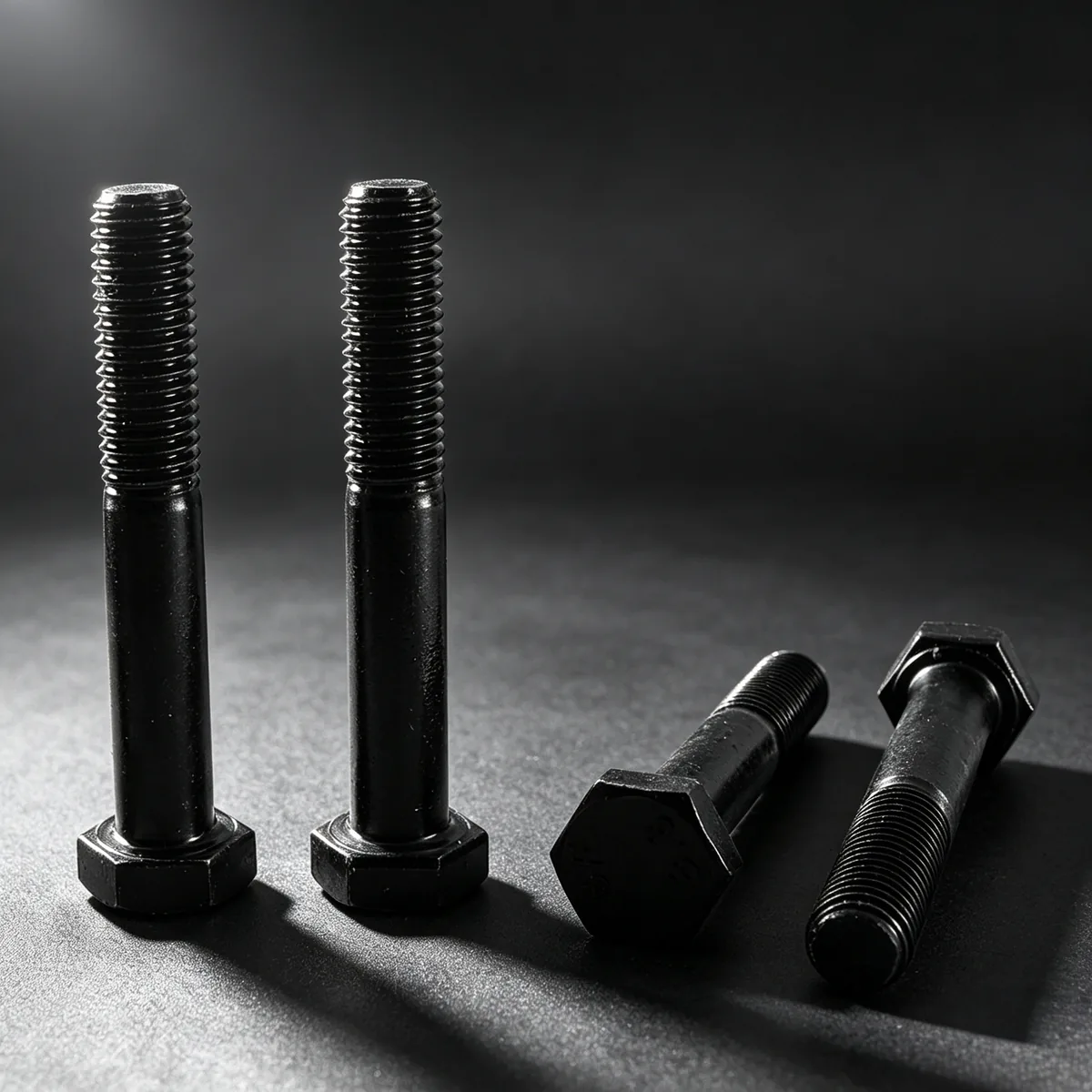
A partially threaded part can support shear alignment or protect the first clamped member from thread damage, but only if the grip length is chosen deliberately. A fully threaded part can simplify stocking and length selection, yet it may create different bearing or wear behavior in the stack. That choice belongs on the drawing, not in the supplier’s guesswork.
Material and finish cannot be copied from a generic hex-bolt result
The same terminology is used across carbon steel, alloy steel, and stainless parts with very different service assumptions. A black-oxide internal machine fastener, a zinc-plated commercial bolt, and a stainless external-hardware part may share a family label, but they do not belong in the same RFQ by default.
If the assembly sees humidity, salt, dissimilar-metal contact, paint-sensitive surfaces, or repeated field service, call those conditions out before you ask for a quote. A title such as hex head cap screw does not tell the supplier whether appearance, corrosion control, clamp retention, or tool accessibility is the first priority.
What should be on the drawing before release
A useful drawing package removes the naming ambiguity before price review begins. The goal is not to find the prettiest catalog match. The goal is to ensure that every supplier is reviewing the same fastener geometry and the same job conditions.
- Specify the governing standard or an internal drawing number if the part is custom.
- State nominal diameter, pitch or thread series, overall length, and whether thread length is controlled.
- Call out material, hardness class if applicable, and finish or coating requirements.
- Identify mating condition: tapped hole, clearance hole with nut, washer stack, or service-panel use.
- Document any bearing-face, washer, or cosmetic-surface requirement that affects under-head behavior.
For XiYu review, the most useful supporting pages are the custom screw RFQ checklist, the machine screws page, and the custom screw catalog. If the current callout still mixes hex bolt wording with a custom or partially threaded requirement, add a sketch, a grip-length note, and the mating-joint description in the first RFQ email.
Frequently asked questions
What is a hex head cap screw?
In procurement language, it usually refers to an externally hex-driven fastener that should be called out more precisely by standard, material, and thread condition. The phrase alone is not enough to guarantee that every supplier reviews the same geometry.
Is a hex head cap screw the same as a hex bolt?
Not always in buyer usage. The two terms are often compared because teams use them loosely. For RFQ work, the safe approach is to define the governing standard and the actual joint function instead of relying on the shorthand label.
Should the RFQ say fully threaded or partially threaded?
Yes, if thread length affects grip, wear, or mating alignment. Leaving that detail open forces the supplier to assume a market default that may not match the assembly.
What detail is most often missing from this kind of callout?
The most common gap is joint context: how the part clamps, what surface sits under the head, and whether material and finish are being chosen for corrosion control, appearance, or clamp-load performance.
Treat the name as the start of the review, not the end of it
Hex head cap screw is a useful search term because it exposes the exact ambiguity buyers run into. It is not a complete manufacturing instruction. Once the standard, thread condition, material, finish, and joint role are written into the RFQ, suppliers can review the same fastener instead of guessing from a shared but incomplete name.