
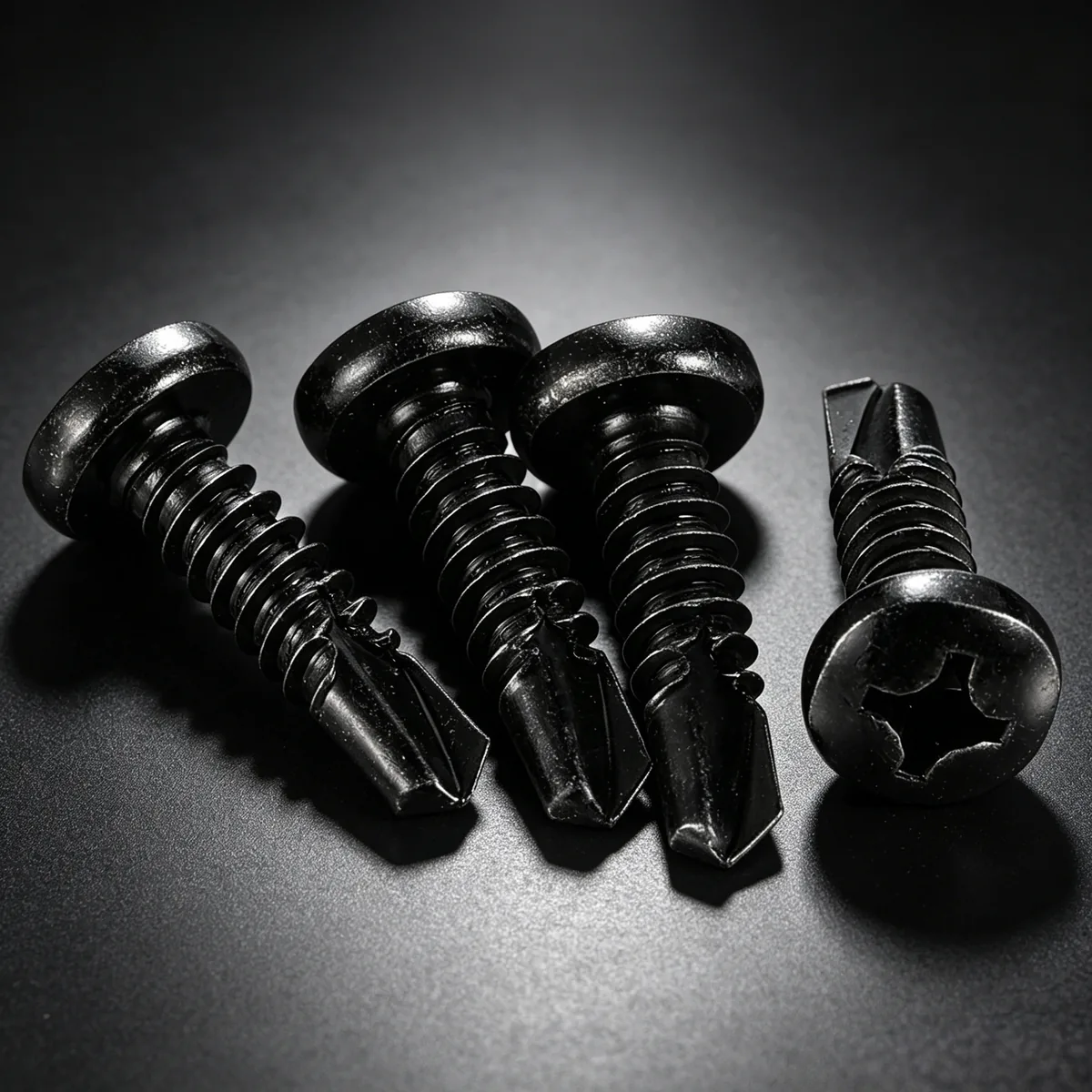
A collated screw decision usually starts as a speed question and ends as a compatibility question. The crew wants faster repetitive fastening, fewer loose fasteners on the floor, and more predictable driver feed. Then the RFQ arrives and nobody has documented whether the screw gun system, strip angle, thread style, point geometry, or substrate actually match the job.
This guide explains what buyers should confirm before specifying collated screws, especially when the same search also overlaps with collated drywall screws or plasterboard screws collated for repetitive panel installation.
Confirm whether the fastening system fits the installation method
A collated-screw purchase is not only a product choice. Buyers need to confirm what the collated system does, how it differs from loose screws, whether the strip and screw gun are compatible, and whether the expected installation volume justifies the setup. These are process decisions as much as purchasing decisions.
For an RFQ, that means collated screws should be treated as a fastening-system decision. The strip or coil format, driver compatibility, substrate, and point type matter as much as the nominal screw size. A fastener that feeds well in one auto-feed system may be the wrong choice in another, even if the thread and head look similar in a distributor listing.
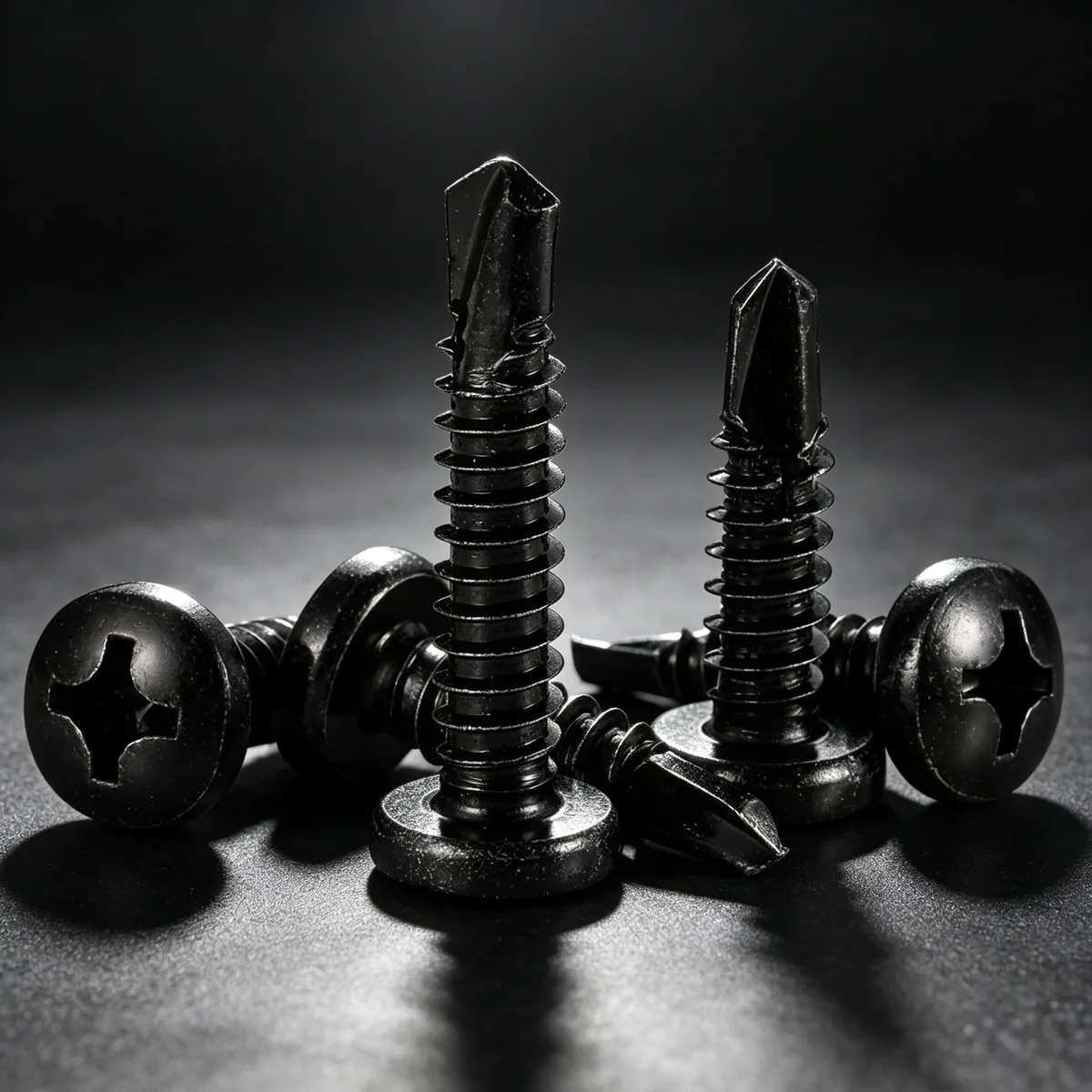
Collated screws help when repetitive fastening is the real bottleneck
The biggest benefit of collated screws is process efficiency. When the operator is running repeated panel fastening, subfloor work, sheathing, or similar high-volume installation, a collated format reduces loose-part handling and keeps the tool cycling faster. That is why drywall and plasterboard searches often appear next to more general collated-screw results.
The mistake is assuming every repetitive fastening job should use the same screw family. Drywall and plasterboard applications often need different thread forms, point styles, and head shapes than panel-to-metal or decking-style jobs. If the substrate or finish changes, the correct collated screw specification can change even when the feeder system stays the same.
Driver compatibility should be documented before screw details are finalized
Buyers often overfocus on the screw and under-document the tool system. That creates expensive back-and-forth later. Collated screws are only useful when the feed strip, collating angle, head style, and driver nosepiece are compatible with the installed tool. A seemingly small mismatch can create feeding jams, damaged heads, mis-seating, or wasted strip sections.
That is also why collated drywall screws and plasterboard screws collated should not be treated as universally interchangeable phrases. US and UK terminology may overlap, but the practical RFQ still needs the actual board type, framing material, screw-gun system, and expected installation speed so the supplier can review the whole fastening setup.
- Identify the exact auto-feed driver or the compatible strip format already approved by the line or installer.
- State substrate combination clearly: board to steel, board to wood, or panel to a different support member.
- Confirm head style, point style, and thread form against the installation material instead of copying a distributor category.
- Record whether the job is interior drywall, plasterboard, light-gauge metal fastening, or another repetitive assembly process.
Thread and point selection matter more than the packaging format
A collated format improves speed, but it does not solve substrate mismatch. If the screw is going into drywall over wood framing, the buyer still has to check point style, thread aggressiveness, and head seating behavior. If the application is into light steel, drilling capability, strip retention, and burr tolerance become more important. The strip does not rescue the wrong fastener geometry.
A product category alone does not define a reliable RFQ when substrate, board thickness, and driver system are already known. Before the job becomes a production or site-install problem, freeze the screw point and thread, length, head and drive, strip format, tool compatibility, coating, corrosion exposure, and any approval-sample requirement.
What belongs in a collated-screw RFQ
A supplier can review collated screws efficiently only when the request includes the fastening system and the substrate conditions together. If the RFQ lists diameter and length alone, the result may match a catalog bin but fail the driver or the board assembly.
- List the tool system or the already approved collating strip standard.
- Specify board or panel material, support material, and thickness stack.
- Call out head style, drive type, thread form, and required point style.
- Define any finish or corrosion requirement that changes the fastener family.
- Add sample or line-trial acceptance criteria for feed reliability, seating quality, and surface damage.
Useful XiYu support pages for this topic are the self-drilling and self-tapping screws page, the custom screw RFQ checklist, and the RFQ contact page. If your request is tied to a specific auto-feed tool, include the tool model or strip requirement in the first message instead of waiting for a sampling failure.
Frequently asked questions
What is a collated screw?
A collated screw is supplied in a connected strip or similar feed format so it can run through an auto-feed driver or repetitive fastening tool more efficiently than loose screws.
Are collated screws and uncollated screws interchangeable?
Not automatically. Even when the base screw looks similar, the strip format, head dimensions, and tool compatibility still have to match the approved driver system.
Are collated drywall screws universal?
No. The screw-gun system, collating format, substrate, and screw geometry still vary by application. The RFQ should identify the approved tool or strip requirement before the supplier reviews the screw itself.
What is the biggest RFQ mistake on collated screws?
The most common mistake is listing size and quantity but omitting the tool system and substrate. That leaves the supplier guessing about the very conditions that determine feed reliability and point selection.
Treat collated screws as part of a fastening system
Collated screws are valuable because they improve repetitive installation flow, but that value appears only when the strip format, driver compatibility, substrate, and screw geometry are specified together. Once those factors are fixed in the RFQ, the search term turns into a workable fastening-system decision instead of a category-page shortcut.